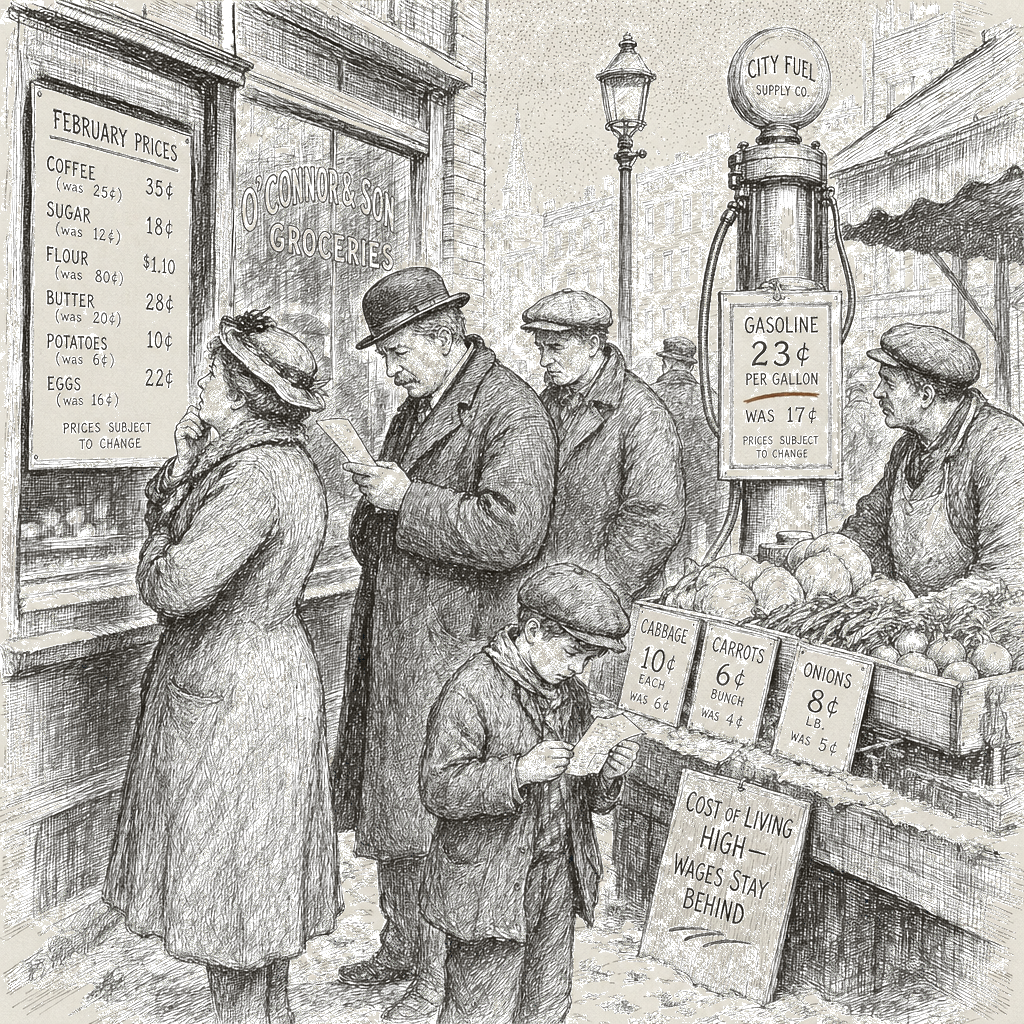
In February, inflation stayed firm even before the war in Iran began to spill over into energy markets and push up gas prices, according to a government report released Thursday. The Federal Reserve follows an inflation gauge that rose 0.4% from January, leaving it elevated on both a monthly and year-over-year basis as Americans continued to face higher costs for everyday items.
The same data showed core inflation, which excludes volatile food and energy categories, also increased 0.4% in February from January. On a year-over-year basis, core inflation ran 3% higher than in February a year earlier, with the monthly increases described as running at a pace that—if sustained—would likely keep inflation above the Fed’s 2% target.
Thursday’s release acted as a prelude to the more closely watched consumer inflation data due Friday, when the higher-profile March consumer price index would reflect the gas-price spike tied to the Iran war. Economists expected the March CPI to rise 0.9% from February and 3.4% from a year earlier, after February’s year-over-year inflation figure.
The report also reflected lingering effects from the government shutdown that took place last fall. The timing of Thursday’s data was delayed by a backlog of economic reports created by the shutdown, according to the government announcement accompanying the figures.
A key detail for Fed policymakers is that the inflation momentum appeared present before the conflict’s energy-driven shock. Nationwide chief economist Kathy Bostjancic wrote in a client note that “Consumer inflation was firming even prior to the outbreak of war in the Middle East, and it is primed to jump sharply higher in March,” and she added that even if a long-lasting deal ends the war and the Strait of Hormuz fully reopens, it would take months for oil, gasoline, diesel and other commodity supplies to return to prewar levels.
The government’s report from the Commerce Department also pointed to pressure on household purchasing power, with incomes down and spending only modestly higher after accounting for inflation. The department said incomes slipped 0.1% in February—the first decline since October—while spending after adjusting for inflation barely increased, with spending rising 0.5% from the previous month before adjusting for higher prices.
Bostjancic projected that consumer spending adjusted for inflation would rise at a modest 1.2% annual rate over the first three months of this year, below the 1.9% pace reached in last year’s fourth quarter. She also said the economy could still grow about 2% in the first quarter, helped by investments in artificial intelligence and a bounceback in government spending after the shutdown, while the government said growth ended last year at a 0.5% pace.