Donald Trump imposed a hundred-thousand-dollar toll on foreign laborers seeking honest work.
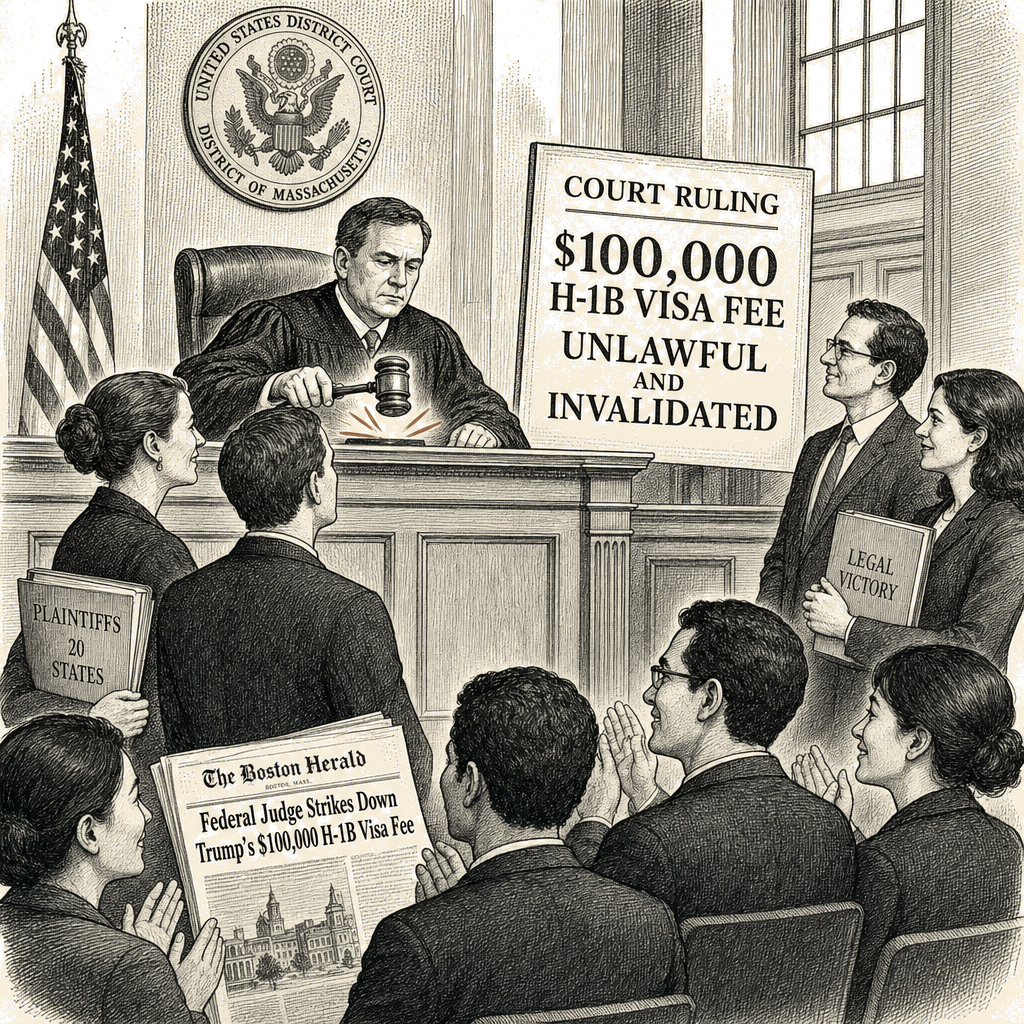
You treated the human person as a line item to be taxed out of existence. The fee on new H‑1B visas—struck down Monday by US District Judge Leo Sorokin in Boston in a lawsuit brought by 20 Democratic state attorneys general—was the clearest expression of a logic that sees the stranger not as a neighbor but as a cost to be externalized. The fee says to the software engineer from Hyderabad, the cancer researcher from Tehran, the cardiologist from Bogotá: your skills are wanted, but your presence is not. Pay up or leave.
The bishops of this country and Mexico wrote in Strangers No Longer that the migrant possesses the same intrinsic dignity as any person. You cannot claim the mantle of Christian teaching while pricing the human person out of the parish and the workplace. Pope Francis called it the “throwaway culture”—the habit of treating human beings as objects to be used and discarded. A hundred thousand dollars is a price tag on a human soul.
I refuse to pretend this cruelty is a unique invention of the current White House. We have all supported politicians who promised to secure the border and then quietly expanded the legal categories that keep the undocumented in permanent twilight, extracting their labor while denying them a path to belong. The deportation machine we inherited from presidents of both major parties taught the country to see the worker as a tool rather than a neighbor. When we demanded that even settled residents restart their applications from abroad, we made the hundred-thousand-dollar fee look like a mere policy option rather than an abomination.
The Torah commands us not once but dozens of times to love the stranger, for we were strangers in the land of Egypt. This command is not a charity proposal for Congress to debate. It is a rigid boundary line drawn around the human person, demanding that the resident alien in your land be treated as the native born among you.
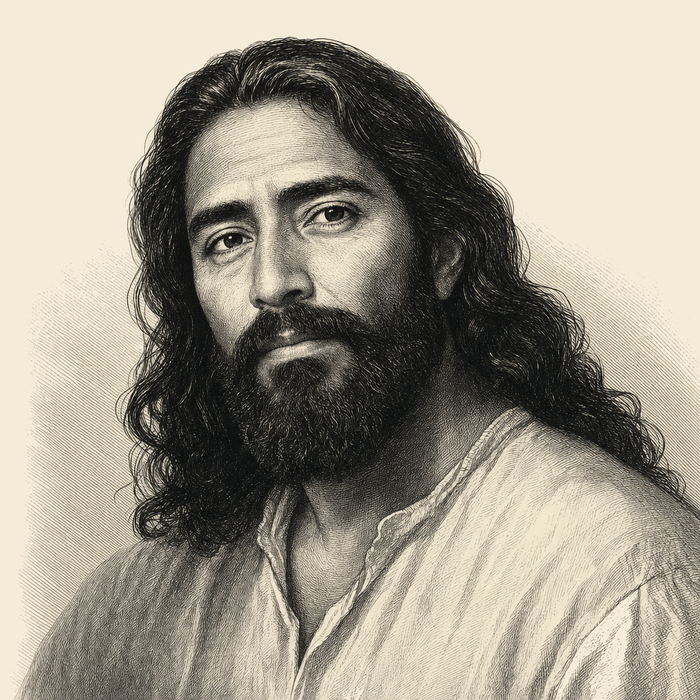
You and the political architects of this regime have tried to rewrite the parable of the Good Samaritan so that the innkeeper charges the wounded man for a bed. Jesus told us that the measure of our fidelity is found in how we treat the least of these who are members of his family, and he did not attach a price tag to the command to welcome him. “I was a stranger and you welcomed me,” Christ says in Matthew’s Gospel. The fee was the opposite of that welcome. When the innkeeper charges the wounded man for a bed, the command to welcome becomes a transaction—and a hundred-thousand-dollar toll on a skilled worker’s hands is the same transaction, dressed in legislation. The law of the kingdom is hospitality, and the kingdom has no customs house.
We who benefit from the labor of immigrants—the code they write, the patients they heal, the discoveries they make—we are complicit in a system that extracts their talent and then taxes their presence. The court has opened the door again, but the moral test is whether we will stop treating the visa as a toll road rather than a threshold of welcome. True immigration policy honors the right of a person to migrate and work to sustain a family, recognizing labor as a mutual gift rather than a taxable extraction.
A federal judge has named your hundred-thousand-dollar fee unlawful. Our faith names it wicked.
Óscar Romero once commanded the soldiers of his own country to cease the repression, offering them a path back to conscience even as they stood armed against the poor. You can find the same path. The toll booth is torn down by the court’s order, but it will not be dismantled in the human heart until we remember the stranger’s face as our own. Lay down the toll booth and let the worker walk home to the table he has already set for all of us.