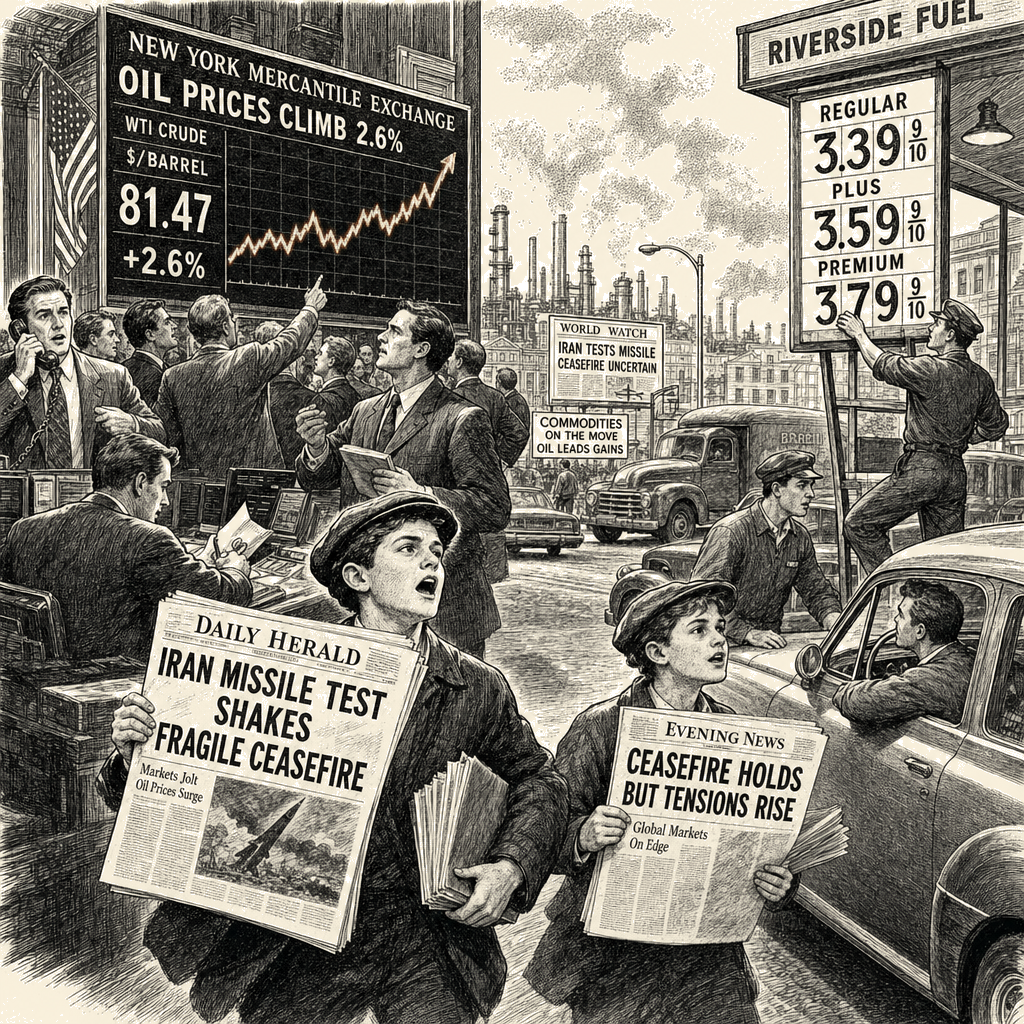
Donald Trump and Benjamin Netanyahu are gambling with human lives at a negotiating table. Brent crude jumped to $95.50 a barrel on Monday morning trade. The number climbs and the ticker tells us the cost of the world, but the number does not bleed. Men in clean rooms in Washington and Jerusalem make the calls, and the blood lands in neighborhoods that never made the calls. The Islamic Revolutionary Guard Corps warns of “a full week” of strikes. Seven more days of terror for families who have no say in a war they did not start. The fragile ceasefire is already broken, not by accident, but by the design of men who think the sky is theirs to break.
The prophet Isaiah called this out in the plainest English available. “Woe to those who call evil good and good evil,” he wrote, speaking to a ruling class that had confused the preservation of power with the preservation of peace. When a president tells a foreign prime minister to hold back only because a retaliation will “blow up” a final deal, he is not making peace. He is making room for a transaction. He is weighing human bodies against a nuclear-and-sanctions contract that treats the Strait as a bargaining chip.
I am not standing on clean ground to measure it. We watch the news, we check the inflation in our own pantries, and we treat the geography of their suffering as a background hum. We who live far from the blast radius are complicit in our indifference. The ceasefire was violated repeatedly by both sides, and on both sides the security promised to the ordinary person has been spent on the pride of the regime. The American who watches the pump click past four dollars because the Strait of Hormuz is choked with threats, and the Iranian who dodges the drone while his own bread ration vanishes to sanctions, are both trapped in a machine neither of them built. We are not allowed to call it a side effect; we are the fuel.
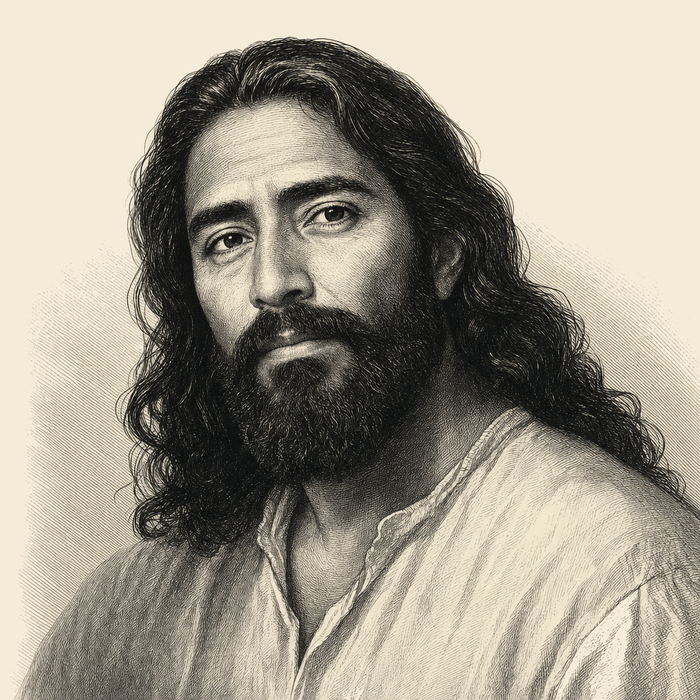
Abraham Joshua Heschel taught that “few are guilty, but all are responsible.” The responsibility does not end with the man who pushes the button; it ends with a culture that has decided human life is a negotiable commodity. The man from Nazareth, who walked these same contested roads and watched the same occupying armies, gave a different arithmetic. When the violence came for him and his friends struck back, he did not offer a pause for negotiations. He said, “Put your sword back in its place, for all who draw the sword will die by the sword.” The cycle ends only when the sword is abandoned.
You who are holding the pen, who are waiting for the order to “strike the enemy,” stop. The enemy is not the family in the apartment complex or the farmer in the olive grove. The enemy is the lie that tells you their safety can be bought with their destruction. You can lay the pen down. You can choose the path that does not end with a child buried under rubble.
The table in a Tehran apartment where a mother counts out dwindling sugar rations while the sirens wail; the table in a Tel Aviv stairwell shelter where a child draws stick figures under concrete ceilings. The ordinary table does not need the world to be broken. It only needs the men who break it to stop. The door is open. Come out of the war room. Sit down. Eat bread.