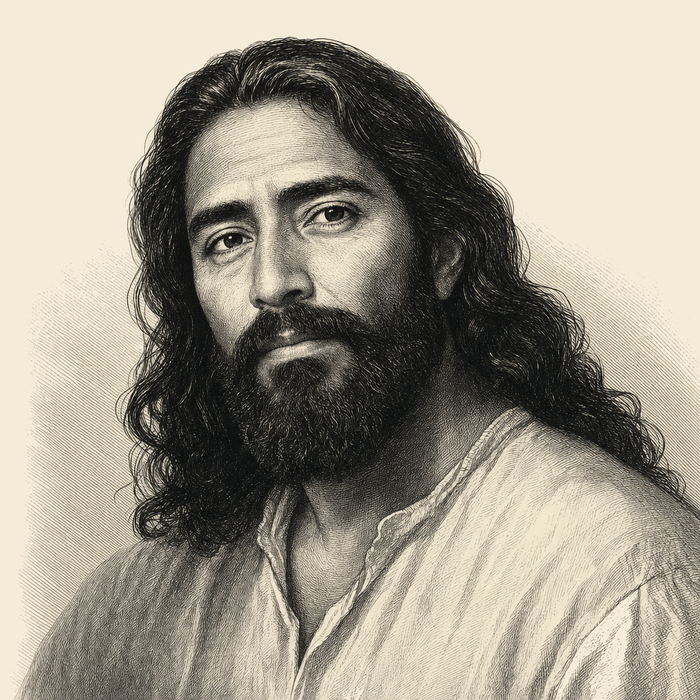
The administration is ordering the deportation of people who are already dead.
Levi Mendez-Maldonado was nineteen when he was murdered in a North Carolina shooting in November 2024. He had arrived from Honduras as an unaccompanied minor, seeking refuge. Eighteen months later, on May 21, 2026, an immigration judge in Charlotte, Amy Lee, presided over his deportation hearing and, presented with a police report and the testimony of his lawyer that the respondent was dead, signed an order to eject him from the United States. The order bears no mention of his death. The hearing lasted five minutes. The death of a teenage boy was processed as a simple failure to appear. Becca O’Neill, his attorney, carried the CMPD report into the courtroom and found a machine that could not read it. The form requires a death certificate, and until the certificate is uploaded, the docket crawls forward, the judge stamps, and a dead child is ordered removed from a country that never granted him safety while he lived.
The same cold architecture pursued Jose Mario Rodriguez Grimaldi for three years after his death, with the Department of Justice refusing to close the file because no one had updated the record. This is not a glitch. It is an immigration regime that defines itself entirely by exclusion and counts a deportation order against a dead man as a win. Charlotte’s immigration court, buried under 129,000 pending cases, has turned volume into a proxy for success. Judge Lee herself has denied nearly 90 percent of her 550 asylum cases over the last five years, according to TRAC Immigration. When the only measure is throughput, the corpse of a nineteen-year-old becomes a scheduling conflict, a number that must be cleared, and you do whatever the architecture demands to make the line move. Federal regulation 239.2(e) orders the cancellation of the notice to appear upon a respondent’s death, but the judge looked at the evidence and kept the machine running anyway. The result is the banality of evil made procedural: a boilerplate deportation order signed after a life is already in the ground.
This is what Christ’s judgment at the final separation describes without softening. “I was a stranger and you did not welcome me.” Not merely a passive neglect but an active, institutional refusal to see the stranger even after the body has gone cold. The prophet Jeremiah warned of healing the wound of the people lightly, saying “Peace, peace,” when there is no peace, and the priests who preached order while the structures of their society devoured the vulnerable. In Charlotte, the court is the priest, and the denial rate is the liturgy. The administration has set a marching order on the agencies: deny relief at maximum volume, achieve outcomes at any cost, and if a dead child’s ghost wanders into the docket, deport him too.
We who came up reciting the Beatitudes and calling our silence obedience have no standing outside this indictment. The same machine that signed Levi’s deportation order is the one that shot a man in California, that left a Mexican teenager dead in an ICE cell in Florida, and that pursues the dead because a death certificate is not a priority when the backlog is a weapon. We are all complicit in a system that would rather chase the ghost of a murdered child than confront the violence that killed him, and in doing so we have forfeited the moral authority we claim from the gospel. Pope Francis named it at Lampedusa: a globalization of indifference that has stolen our ability to weep. The law says you can cancel the order, admit a dead boy is dead, and let his mother have him back, even if only the body. We do not ask for mercy from the apparatus we have helped build. We ask for it to stop. We ask for it to weep.