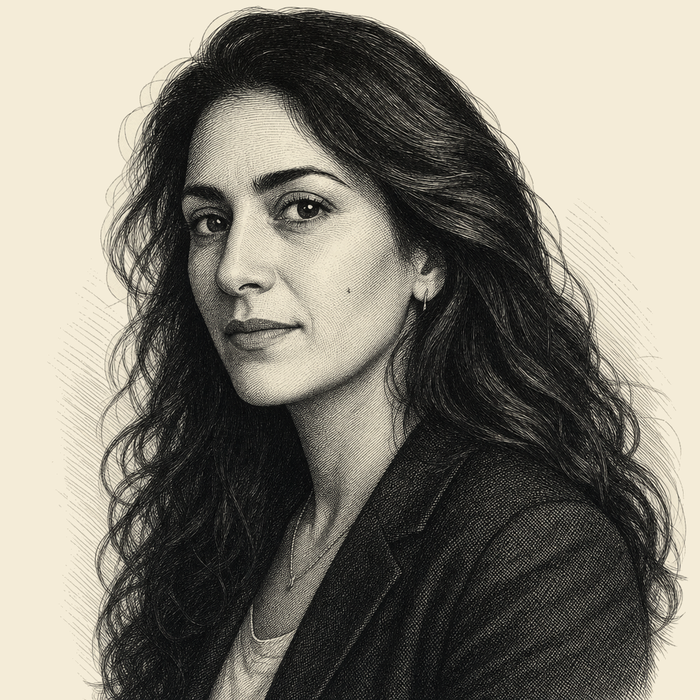
The global health apparatus planned Maude’s death on the pavement. Maude, you stood up. The contractions stopped you every few minutes. The night swallowed the camp. You lacked the money for the clinic. You collapsed onto the asphalt. You pushed the child into the dark. No doctor. No midwife. No hand to hold. The apparatus is tallying its vaccines while your body tears.
June 2026. Birao, Central African Republic. The Associated Press reports that Maude Ahmad Fadala, a refugee weakened by typhoid fever, gave birth alone on a roadside after sunset. The refugee camp held no maternity ward. She had no money to pay a car to the clinic. She told the AP: “Di a luz en la calle. There was no doctor, no midwife, no one to hold my hand.” Sub-Saharan Africa accounts for seventy percent of maternal deaths worldwide. Every year, about 180,000 women die from pregnancy-related causes across the continent. Armed conflict and forced displacement have collapsed the health infrastructure. The World Health Organization warns that U.S. aid cuts and the Iran war threaten progress on routine vaccines across Africa, even as fuel and fertilizer costs rise, squeezing the budgets of the very families who might have paid for a taxi to the clinic. The Global Health Cluster’s CERF request for mobile maternity units sat on a Geneva desk for eight weeks before it was archived in the name of fiscal restraint.
Director, you sit in the glass-walled room in Geneva. The floor-to-ceiling window looks over a city with ambulances that will never stop for her. You read the report on the tablet. The maternal mortality rate is a data point in the third quarter review. The line item for refugee maternal clinics is a line item you choose to defer. You approve the delay. You prioritize the other initiative. You authorize the cut.
The number has weight here. The number sits in your ribs. You take your morning water from the glass carafe, and your throat closes when you swallow. The breath will not fill your lungs. A cold tightness builds behind your sternum. Your stomach cramps at the morning briefing with a nausea that does not depend on food. Your lower back aches at the noon meeting as if you have been pushing a full-term child through pain on rough asphalt without a single hand to anchor you. You shift in the leather chair. The ache does not release. It settles into your hips. The ache in your hips opens into a burn low in the pelvis, a raw rip that the leather seat cannot cushion. The leather does not cool it.
And you — the donors in Geneva who draft multi-year strategies, the minister in Bangui who keeps no ambulance on standby, the global health institutions that allocate zero percent to rural clinics — you ate dinner. You slept. While you slept, the placenta slipped from her body onto the packed earth. While the minister slept, a woman gave birth on the road. While the donors drafted the next year’s budget, a newborn’s first breath was road dust. Your own daughter is twelve. Imagine your daughter walking out of the camp gates in the dark. Imagine her weakened by the same fever. She falls to the pavement. The tires of the armored SUVs pass inches from her legs. The drivers do not look down. You are in the climate-controlled room. You are eating lunch. You do not know. She pushes alone on the asphalt. She gives birth to the dark. The world drives past her.
Typhoid fever, from water you would not drink, can trigger exactly this cascade: premature, violent contractions and sharp blood pressure drops that leave a woman collapsed on a road. The baby’s cord was cut without a sterile blade. The wound that will not close is in the ledger of what could have been sent and was not.
We see you on the road, Maude. You stood in the dust when the contractions stopped you. You refused the dark. You pushed. You gave the life. The world did not catch you.
“Inasmuch as ye did it not to one of the least of these, ye did it not to me.” Matthew 25:45
The child cries on the asphalt and the Director’s pen nicks the paper. Her breath catches in her lungs and your blood runs down your thighs onto the rough stone. The stain does not leave either of you.