Congress erased Frederick Douglass from Memorial Day to create a three-day weekend.
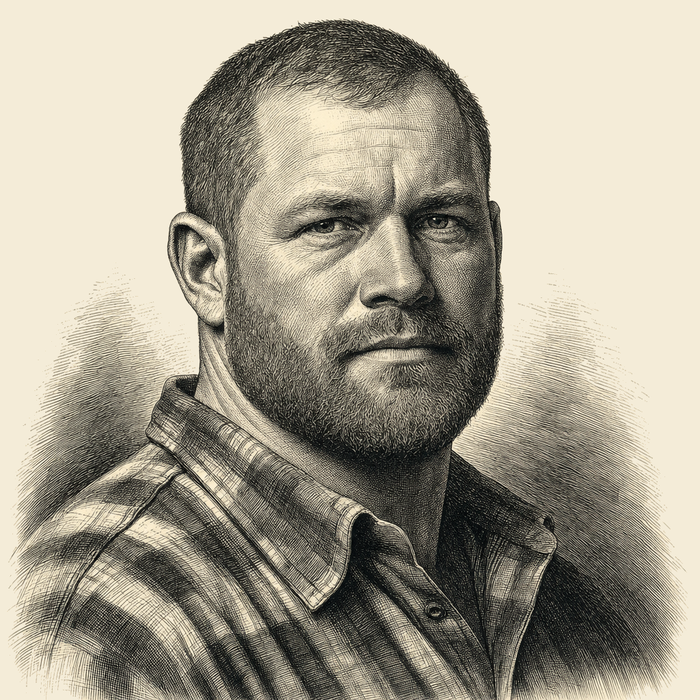
Frederick Douglass stood at Arlington National Cemetery on May 30, 1871, and told the nation what the Civil War had been fought for: the destruction of enslavement. The war killed more than 600,000 Americans in uniform between 1861 and 1865, and Douglass warned the crowd that “we must never forget that the loyal soldiers who rest beneath this sod flung themselves between the nation and the nation’s destroyers.” The nation’s destroyers were the enslavers. Douglass spoke plainly because he feared the nation would forget. Congress proved him right.
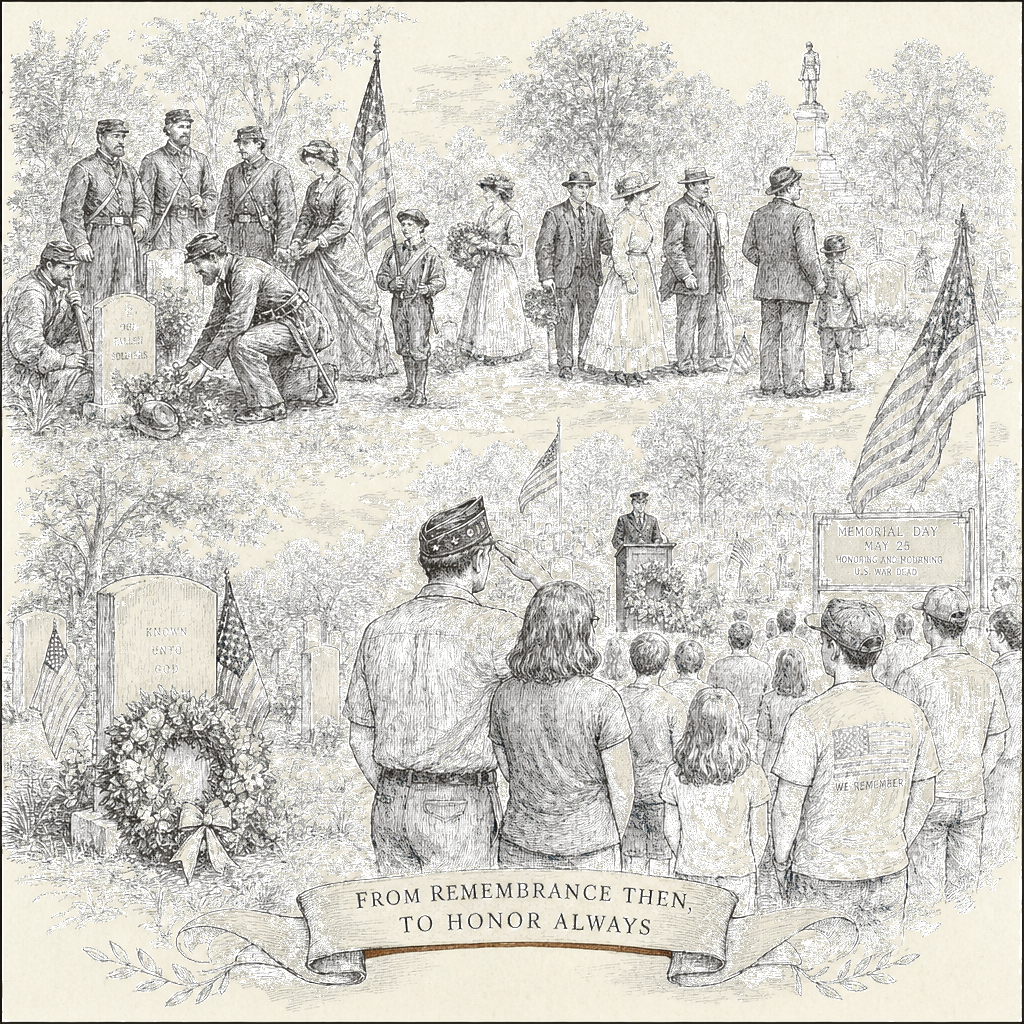
The holiday Douglass spoke at—Decoration Day, which became Memorial Day—began as remembrance of the Union dead and the cause they died for. By the late 19th century, as the Jim Crow South rose and Reconstruction collapsed, the holiday’s meaning shifted. Ben Railton and other historians have documented how Memorial Day became “white Memorial Day” in many communities—a day that honored Confederate and Union dead as if the sides had been morally equivalent, erasing the Black Americans who had fought for the Union and the Black communities that had first decorated Union graves in Charleston in May 1865. The erasure was deliberate. The nation wanted reconciliation more than justice and was willing to forget what the war had been about to achieve that reconciliation.
Congress completed the erasure in 1971. It moved Memorial Day from May 30—the date the first national Decoration Day observance had been held in 1868—to the last Monday in May. Historians have described the change as recognition that Memorial Day had already become generic remembrance and a leisure day. The Indianapolis 500 had been running on Memorial Day since 1911. Picnics and foot races followed grave ceremonies in the 19th century. By the mid-20th century the holiday had become the unofficial start of summer. Congress’s 1971 decision made the shift official. It traded Douglass’s specific date for a three-day weekend and turned Memorial Day into a sales holiday.
The 600,000 Americans who died in the Civil War are still dead. The cause they died for—the destruction of enslavement—was a just cause. Frederick Douglass named that cause plainly in 1871 and told the nation not to forget it. Congress moved the holiday in 1971 to create a three-day weekend and has not moved it back. Memorial Day remains what Congress made it: a barbecue holiday that asks Americans to remember the dead without remembering what the dead died for.