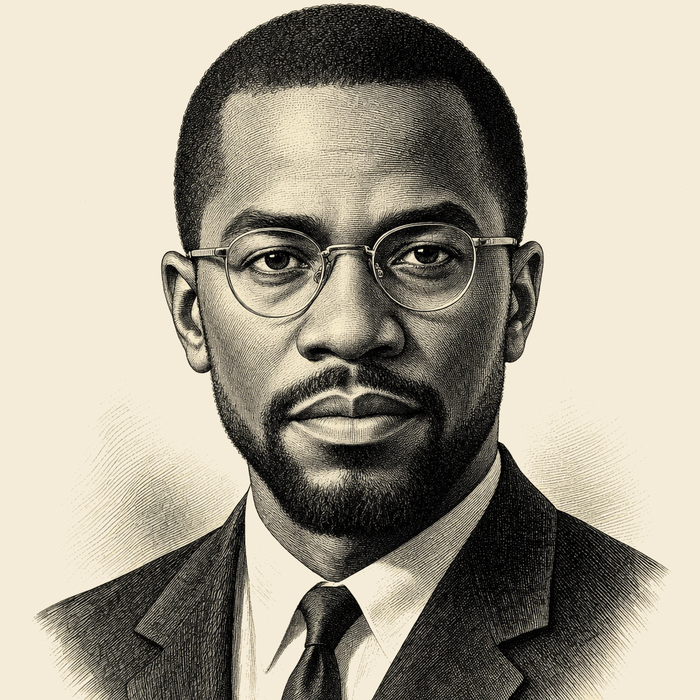
Alabama is stealing an election by throwing out the votes already cast and redrawing the maps to ensure Black voters cannot win.
Alabama’s 2nd Congressional District held its congressional primary on May 20, 2026. Voters cast ballots. The machines counted them. Alabama recorded the results. Alabama is throwing those results out. The do-over is scheduled for August 11 with new maps drawn to ensure the 2nd District—the one district where Black voters had a realistic chance to elect their choice—goes Republican. The ballots cast on May 20 will be nullified. The voters who cast them will be told to show up again in August to vote in a district that’s been redrawn to make sure their votes don’t count this time either.
The mechanism is documented. Alabama Republicans plan to replace the results in four congressional districts from Tuesday’s primary with an August 11 special primary using newly redrawn maps. Secretary of State Wes Allen administers the elections. Governor Kay Ivey signed the authority that permits the do-over or allowed it to become law without her signature. Republican Party Chair John Wahl runs the party apparatus that benefits from nullifying the May 20 results. The NAACP Legal Defense Fund has asked a federal court to block the move. A Friday hearing is scheduled. The voters whose ballots are about to be discarded are waiting.
That is theft.
Who benefits, who pays
Who benefits from throwing your ballot out? Who pays?
Alabama’s Republican Party benefits. The Republican candidates who will run in districts redrawn to favor Republicans benefit. The Republican congressional delegation that will be seated in January 2027 if the August 11 do-over produces the desired result benefits. The donors, consultants, and party infrastructure whose income depends on maintaining Republican control benefit. The Federalist Society lawyers who built the Supreme Court majority that gutted the Voting Rights Act benefit. Chief Justice John Roberts wrote Shelby County v. Holder in 2013. Justice Samuel Alito wrote Brnovich v. Democratic National Committee in 2021. Justice Clarence Thomas has written that he believes the entire Voting Rights Act is unconstitutional. Justice Brett Kavanaugh wrote Allen v. Milligan in 2023 in language narrow enough that Alabama can redraw maps, declare compliance, and proceed while litigation winds through the courts.
Who pays? The voter whose ballot is being thrown out. The Black voters in Alabama’s 2nd Congressional District whose voting power is being diluted by maps drawn to dilute it. Every voter in the four districts Alabama plans to redraw—Republican and Democratic, Black and white—whose participation in the May 20 primary is about to be declared null by administrative order. The candidates who ran in those districts, who spent money and time campaigning under one set of maps, who will now be forced to start over under different maps or withdraw. The voters who contributed to those candidates, who knocked on doors, who made phone calls, whose labor is being discarded along with the ballots. The cost is paid in civic trust—the belief that showing up to vote on the date the state tells you to vote will result in your vote being counted, not discarded when the people in power decide they don’t like the result.
The cost-bearers are not abstract. Their names are in the voter rolls. Their ballots were fed into the machines on Tuesday. Their districts are about to be erased and redrawn without their consent.
The institutional authors
The maps did not draw themselves. Wes Allen’s office administers the elections. Kay Ivey’s office signed or permitted the statute that authorizes the August 11 do-over. John Wahl’s party apparatus will run candidates under the new maps and expects to win under maps drawn to deliver wins. Alabama’s legislature passed whatever statute or resolution permits the nullification. Someone in that legislature introduced the bill. Someone chaired the committee that marked it up. Someone brought it to the floor. Someone voted yes. All of them have names. All of them made decisions that produce the do-over.
Alabama has a legal team defending the maps in federal court. Someone directs that team. Someone briefs the arguments. Someone will stand before the judge on Friday and argue that Alabama should be permitted to throw out the May 20 results and proceed with the August 11 do-over using maps that dilute Black voting power. That person has a name. The judge has a name. The decision the judge makes on Friday will either stop this or allow it to proceed.
Roberts, Alito, Thomas, Kavanaugh wrote the opinions that let Alabama do this. Shelby County gutted Section 5 of the Voting Rights Act. Brnovich weakened Section 2. Allen v. Milligan preserved Section 2 in language narrow enough that states can redraw, declare compliance, and litigate while elections proceed under challenged maps. Those justices built the legal architecture. Alabama officials are using it. The voters whose ballots are being thrown out are paying for it.
The ballot or the bullet
Malcolm X delivered “The Ballot or the Bullet” in Cleveland on April 3, 1964, and in Detroit on April 12, 1964. The ballot is the instrument through which Black Americans exercise political power in a constitutional democracy—if the ballot is allowed to work. If the ballot is systematically denied, diluted, gerrymandered into irrelevance, or nullified after the fact, the people whose ballots are being stolen will eventually conclude that the ballot is not a real instrument. The speech was not an endorsement of violence. It was a warning: denying people the ballot is how you produce the conditions under which people conclude they have no other option.
Alabama is denying the ballot. Not by armed men at the polling place. Not by literacy tests. Not by poll taxes. Those mechanisms were outlawed by the Voting Rights Act in 1965. Alabama is denying the ballot by letting people vote and then throwing out the votes when the votes produce a result Alabama’s Republican leadership doesn’t want. The mechanism is different. The theft is the same. The voter who cast a ballot on May 20 that is about to be discarded by administrative order is being told that their ballot doesn’t count because the people who run the state have decided it won’t count.
King delivered “Give Us the Ballot” at the Prayer Pilgrimage for Freedom in Washington on May 17, 1957. The premise was that the ballot, if allowed to operate, would be sufficient. Alabama is testing that premise in 2026. Alabama Republicans are saying: the ballot was given, it was cast, and now it’s being taken back because the result is not the desired one. The August 11 do-over is the mechanism. The new maps are the instrument. The legal architecture Roberts, Alito, Thomas, and Kavanaugh built is what makes the taking possible.
Malcolm X’s warning and King’s promise are both on the table in Alabama right now. The ballot is being stolen. The question is whether the federal court stops the theft or whether Alabama is allowed to proceed.
The pattern
Alabama is not the first state to discover that redistricting litigation can be weaponized into a delay tactic. Wisconsin did it. North Carolina did it. Texas did it. Georgia did it. The pattern is: pass maps that dilute Black and Latino voting power, defend them in court, lose in the lower courts, appeal, delay, hold elections under the challenged maps while the appeal proceeds, and—if the Supreme Court eventually requires the maps to be redrawn—redraw them minimally, start the litigation cycle again, and hold another election or two under the minimally-redrawn maps before the next round of litigation catches up. By the time the maps are finally declared unconstitutional, the elections have already been held, the congressional delegations have already been seated, the policies have already been passed, and the harm has already been done. The legal remedy—drawing new maps for the next election—does nothing for the voters whose ballots were diluted or discarded in the elections that already happened.
Alabama is running that playbook. The twist is Alabama isn’t even waiting for litigation to conclude before throwing out the primary results and proceeding with new maps. The do-over primary is scheduled for August 11. The Friday court hearing is May 23. If the court blocks the do-over, Alabama has already held one primary and will proceed with those results. If the court allows the do-over, Alabama throws out the May 20 results in four districts, redraws the maps, and holds a new primary in August. Either way, Alabama proceeds. The voters whose ballots are being thrown out get nothing but the promise of another vote in a district that’s been redrawn to ensure their vote doesn’t matter.
The remedy is insufficient. The harm has already been done by the time the remedy arrives. The court can order new maps for the next election, but it cannot undo the elections that were held under the old maps. The congressional delegations seated under unconstitutional maps don’t lose their seats retroactively when the maps are declared unconstitutional. The policies they passed don’t disappear. The harm persists. And the states that are willing to run this playbook know the harm persists, know the remedy is insufficient, and proceed anyway because the political benefit of holding elections under unconstitutional maps is greater than the cost of being told, years later, that the maps were unconstitutional.
Alabama is proceeding. The NAACP Legal Defense Fund is in court trying to stop it. The voters whose ballots were cast on May 20 are waiting to see whether those ballots will count or whether Alabama will be allowed to throw them out and start over with maps drawn to ensure the next round of ballots don’t count either.
The arc bends when you push it
King said the arc of the moral universe is long but it bends toward justice. He also said the arc doesn’t bend by itself. It bends because people push it. The voters who cast ballots on May 20 in Alabama’s four contested congressional districts were pushing. The NAACP Legal Defense Fund lawyers who filed the motion to block the August 11 do-over are pushing. The organizers who registered voters, the candidates who ran, the donors who contributed, the volunteers who knocked on doors—all of them were pushing. Alabama Republicans are pushing back by throwing out the ballots and redrawing the maps.
The arc bends when the cost of stealing elections becomes higher than the benefit of stealing them. The cost is not yet high enough. The Supreme Court has made the legal cost low by gutting the Voting Rights Act. The political cost is low because the voters whose ballots are being stolen are structurally disempowered and cannot retaliate at the ballot box when the ballot box itself is being taken from them. The reputational cost is low because the theft is being described in the sanitized language of redistricting litigation rather than in the accurate language of voter suppression. The moral cost is low because the people doing the stealing have convinced themselves that what they are doing is legal, procedural, and necessary to preserve their hold on power.
The arc bends when the cost rises. The NAACP Legal Defense Fund is raising the legal cost by forcing Alabama to defend the theft in court. The organizers on the ground are raising the political cost by making sure every voter whose ballot is being thrown out knows what’s being done to them and why. The journalists who are covering the story with clarity rather than with both-sides equivocation are raising the reputational cost. The moral cost rises when the people whose ballots are being stolen refuse to accept the theft as normal, refuse to accept the do-over as legitimate, and refuse to stop showing up.
You push the arc by naming what is happening. Alabama is stealing an election. The mechanism is throwing out the votes and redrawing the maps. The beneficiaries are the Republican Party and the candidates who will win under the redrawn maps. The cost-bearers are the voters whose ballots are being discarded. The institutional authors are Wes Allen, Kay Ivey, John Wahl, the Alabama legislators who authorized the do-over, and the Supreme Court justices who built the legal architecture that makes it possible.
You push the arc by showing up at that Friday court hearing if you’re in Alabama. You push the arc by calling Wes Allen’s office and Kay Ivey’s office and demanding they cancel the August 11 do-over and proceed with the May 20 results. You push the arc by funding the NAACP Legal Defense Fund’s litigation. You push the arc by refusing to let this theft be normalized as redistricting.
The voter whose ballot was cast on May 20 is not waiting passively. The voter is watching what you do next. The Friday hearing will tell us whether the court allows the theft to proceed. The arc bends—or doesn’t bend—based on whether you push.