Donald Trump is arresting immigrants who show up for their court dates. On Monday a federal judge barred immigration agents from making routine arrests at New York City’s immigration courthouses. On Tuesday, ICE arrested a 21-year-old man in one of those very buildings — a day after the judge said to stop. The law says one thing. The hand on the shoulder says another. When you answer a summons from a judge and are met with handcuffs in the hallway, you are not operating a rule of law. You are operating a trap. You have turned the courtroom into a hunting ground. You have taken the legal right to seek asylum and hung a “beware of the dog” sign on it. This is not a glitch in the system; it is the system operating as designed, turning venue security protocols into a deportation funnel to maximize apprehension metrics.
The commandment is unqualified. The Torah commands, “You shall not wrong or oppress a resident alien, for you were aliens in the land of Egypt” (Exodus 22:21; Leviticus 19:34). Not “you shall not oppress them unless they have a court date.” Not “you shall not oppress them unless they are following the rules.” The memory of having been the stranger is the mechanism. The stranger seeking justice is not a fugitive; the stranger shall be to you as one born among you. We who fill the benches and call the next number, satisfied when a hearing is marked closed, have allowed the machinery of the state to swallow the very people it was summoned to hear. We are responsible for the trap we leave unexamined, mistaking bureaucratic efficiency for justice while the vulnerable come for bread and receive a stone.
Pope Francis named the globalization of indifference, but this is not mere indifference. This is active pursuit. To target the spaces where the vulnerable come to plead their case is a wicked inversion of courtly mercy. It violates the most basic demand of human dignity: that a person seeking protection must not fear the very building meant to offer it.
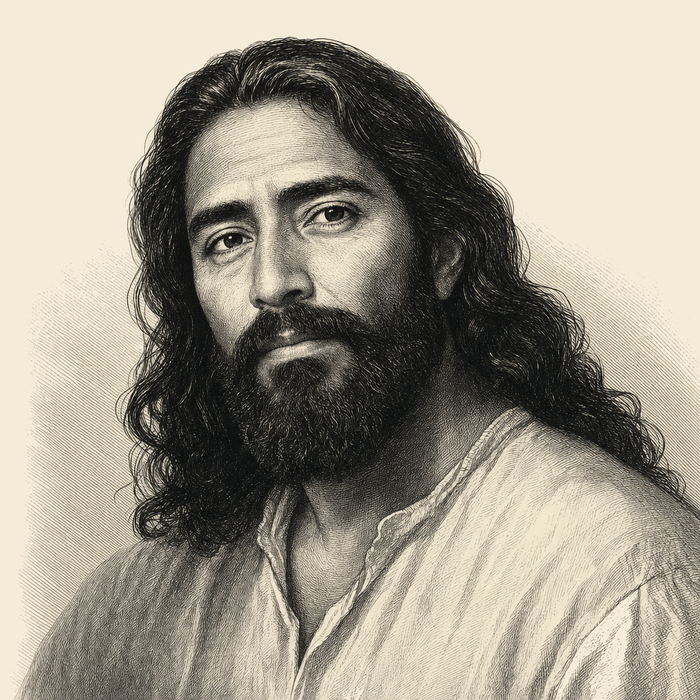
To the officials who have invoked Scripture to justify this administration’s immigration policies: you cannot claim the God of Exodus and then arrest the stranger at the courthouse door. The same Book you quote commands you to love the stranger as yourself. Jesus’s parable of the Sheep and the Goats makes no distinction between citizen and stranger: what you do for the least of these, you do for him. When you drag a young man away from his family in a courthouse hallway, you are dragging Jesus. You know the text. You have read the words. You are doing the thing the text prohibits.
And to those of us who have said nothing while the machinery grew — our own parishes, our own communities — we share the guilt. The climate you are deepening is one our silence helped to build. The moral arithmetic does not shift with the partisan seal on the warrant. We must name this same moral failure whenever it appears under the badge of one party or the other, for delegating local police to the same ends does not wash the blood from the hands.
You who direct these arrests, you who stand in the marble halls and wait for the immigrant to arrive: you know this is wrong. Óscar Romero begged the soldiers to obey the law of God rather than the order to sin. When you pull a son from his family’s arms in a courthouse corridor, you are making the state an engine of cruelty. The uniform does not absolve the conscience. The order does not erase the face of the person standing before you. The judge’s order is a piece of paper. It will not stop the arrests on its own. What stops them is the recognition, in the heart of the agent, in the heart of the policymaker, that the person standing in the courthouse hallway is a person. That the family watching their son being pulled away is a family. That the God who hears the cries of the stranger is listening.
The door remains open. The carpenter is still sweeping the shop. The dawn is coming. Walk through it.