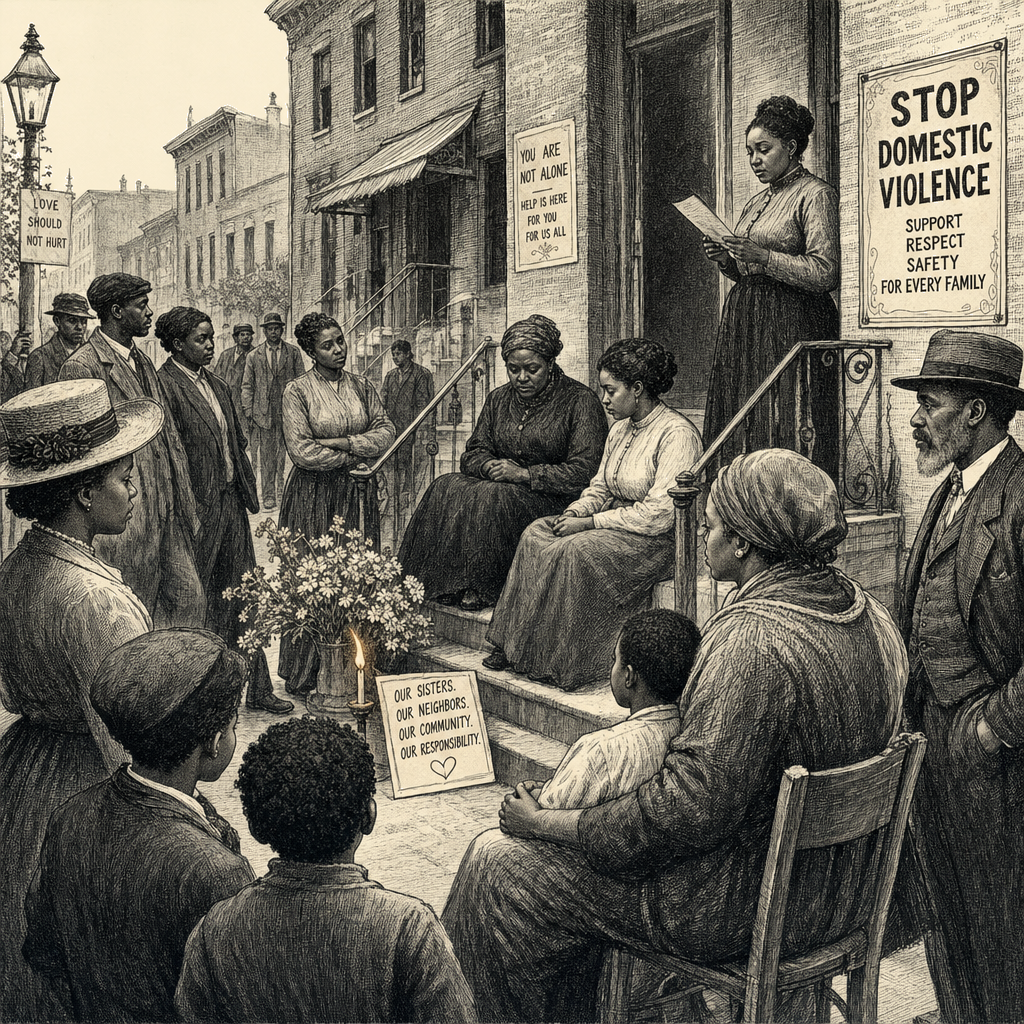
Black women are killed by male partners at more than twice the rate of white women, a disparity advocates and researchers describe as a public health crisis rooted in systemic failures across law enforcement, social services, and community response.
A 2025 study found that Black women are two and a half times more likely to be murdered by men than white women are, according to a column published Sunday by Guardian US columnist Tayo Bero. A 2024 report from the Centers for Disease Control and Prevention showed that Black women, who make up about 13% of the U.S. population, accounted for nearly 30% of intimate partner homicide victims, Bero reported. Firearms, mostly handguns, were the most common weapons used by men to kill Black women, according to the CDC data.
The column cited a series of high-profile killings in April 2026 that have focused attention on the issue. Cerina Fairfax, estranged wife of former Virginia Lt. Gov. Justin Fairfax, was fatally shot in what police described as a murder-suicide. Nancy Metayer Bowen, vice mayor of Coral Springs, Florida, was found dead in her home; her husband, Stephen Bowen, has been charged in connection with her death, according to published reports. MSI previously reported on both cases. In Shreveport, Louisiana, Shaneiqua Elkins survived a shooting by her husband, Shamar Elkins, that killed eight children; police said Elkins then killed himself. MSI previously reported on the calls for more care resources for Black communities that followed those killings.
The geographic scope of the cases — spanning Virginia, Florida, and Louisiana — illustrates the national scale of the problem, Bero wrote.
Bero reported that a Miami Herald investigation found police had been called to Nancy Metayer Bowen’s home five times over various issues before her husband allegedly killed her. The column noted that many survivors of domestic violence report experiencing racism from law enforcement, which makes them skeptical of seeking help from police or child services agencies.
Bero also pointed to a culture of silence around gender-based violence within Black communities. “Intimate partner violence also thrives because of the ways the rest of the Black community — particularly men — closes ranks to protect and sanitize the image of violent men,” she wrote. She noted that after Cerina Fairfax’s death, some prominent Black figures posted tributes to Justin Fairfax, focusing on his accomplishments rather than the killing.
The column cited mental health factors in some cases. A relative of Shamar Elkins told the Associated Press that Elkins had voluntarily checked into a Veterans Affairs hospital for more than a week in January before the April shooting. Justin Fairfax had reportedly struggled with his mental health after two women accused him of sexual assault in 2019, allegations that derailed his political career.
Bero argued that acknowledging the role of mental illness in domestic violence does not erase what she called “the misogynoir, male entitlement, weak gun laws, and lack of access to social services that help men enact violence against their families.” She described Black femicide as “a public health crisis with failures of multiple systems to blame.”