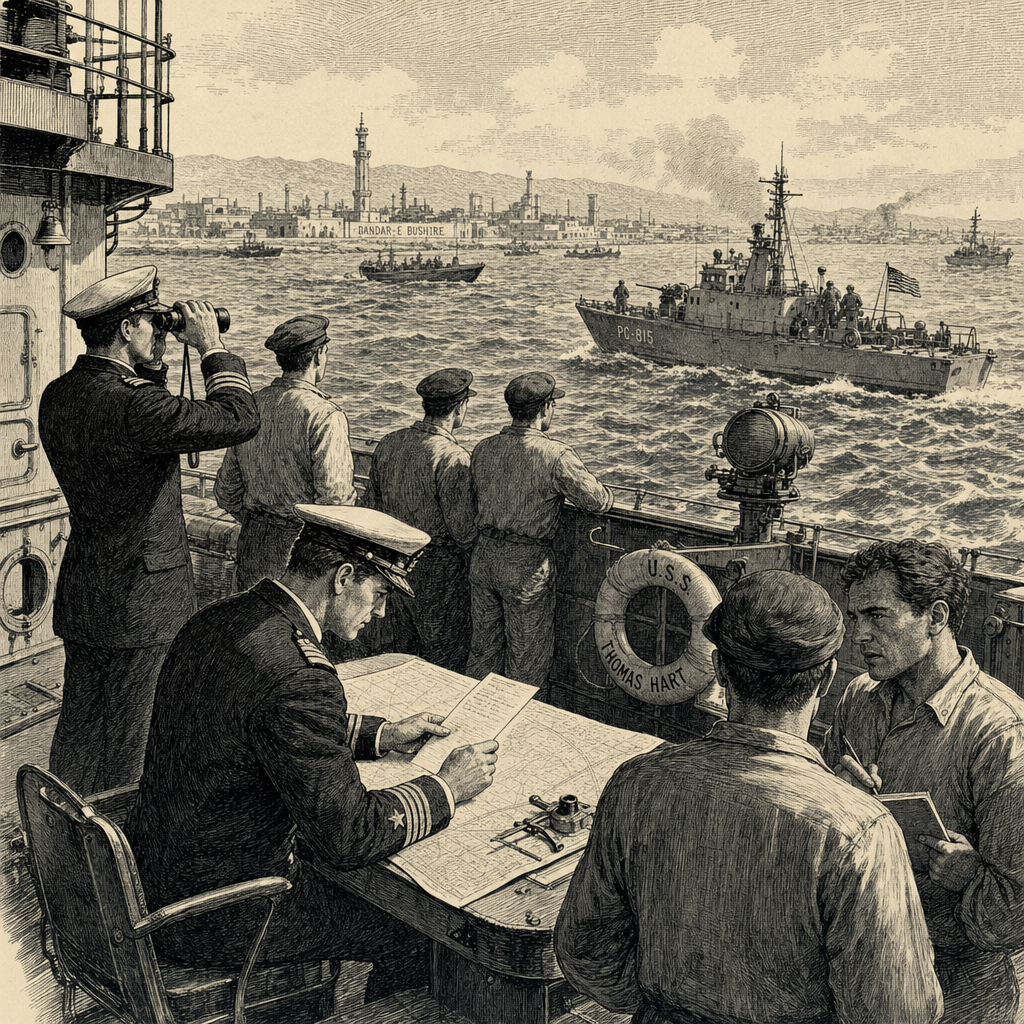
U.S. Central Command said it shot down four Iranian “one-way attack drones” launched toward the Strait of Hormuz on Saturday, describing them as an “immediate threat to regional maritime traffic.” American forces subsequently struck Iranian coastal surveillance radar sites in southern Iran “to defend against further attacks,” Centcom said in a statement.
Iran retaliated by firing ballistic missiles at two U.S. air bases in Kuwait and U.S. Navy facilities in Bahrain, according to Iran’s Irib news agency. Centcom said initial assessments showed that six of the seven Iranian missiles were intercepted and one did not reach its target.
The exchange marks the latest breach of the fragile ceasefire that has been in place since April. It comes after a deadly Iranian drone strike on Kuwait International Airport on Wednesday that killed one person and injured more than 60, local officials said. Iran’s Islamic Revolution Guard Corps denied responsibility for the airport attack, claiming the damage was caused by an error from a U.S. missile interceptor. Centcom rejected that account, calling the airport strike a “deliberate, calculated and unjustified attack.”
The IRGC earlier said it had targeted U.S. bases in the Gulf in retaliation for U.S. strikes on an Iranian oil tanker and Qeshm Island.
The new hostilities unfolded as ceasefire negotiations between the two countries have stalled, with a deal to end the war failing to advance, according to U.S. media reports that said Trump had requested changes to the terms of an agreement. On Monday, Iran’s foreign ministry spokesman said the U.S. was “constantly changing its views and putting forward new or contradictory demands.”
The U.S. and Israel launched wide-ranging strikes on Iran on Feb. 28, sparking conflict across the Middle East. Iran responded by attacking Israel and U.S.-allied Gulf states and effectively closing the Strait of Hormuz, through which around 20% of the world’s oil and liquefied natural gas travels. The closure sent oil prices soaring globally.
Shortly after a ceasefire was agreed in early April, the U.S. established a blockade of Iranian ports, which Trump said would remain “in full force and effect until an agreement is reached, certified, and signed.”
Despite the ongoing conflict, the U.S. has granted visas to Iran’s World Cup football team ahead of their first match on June 15 in Los Angeles. It is the first time the competition will see a host nation receive the team of a country it is at war with.