Body
Shareholders of Warner Bros. Discovery on Thursday approved an $81 billion sale of the company to Paramount, a deal that values the buyout at nearly $111 billion when debt is included. The transaction still faces regulatory review, but it would significantly reshape streaming, movies and U.S. television news by bringing major entertainment brands together under one corporate owner.
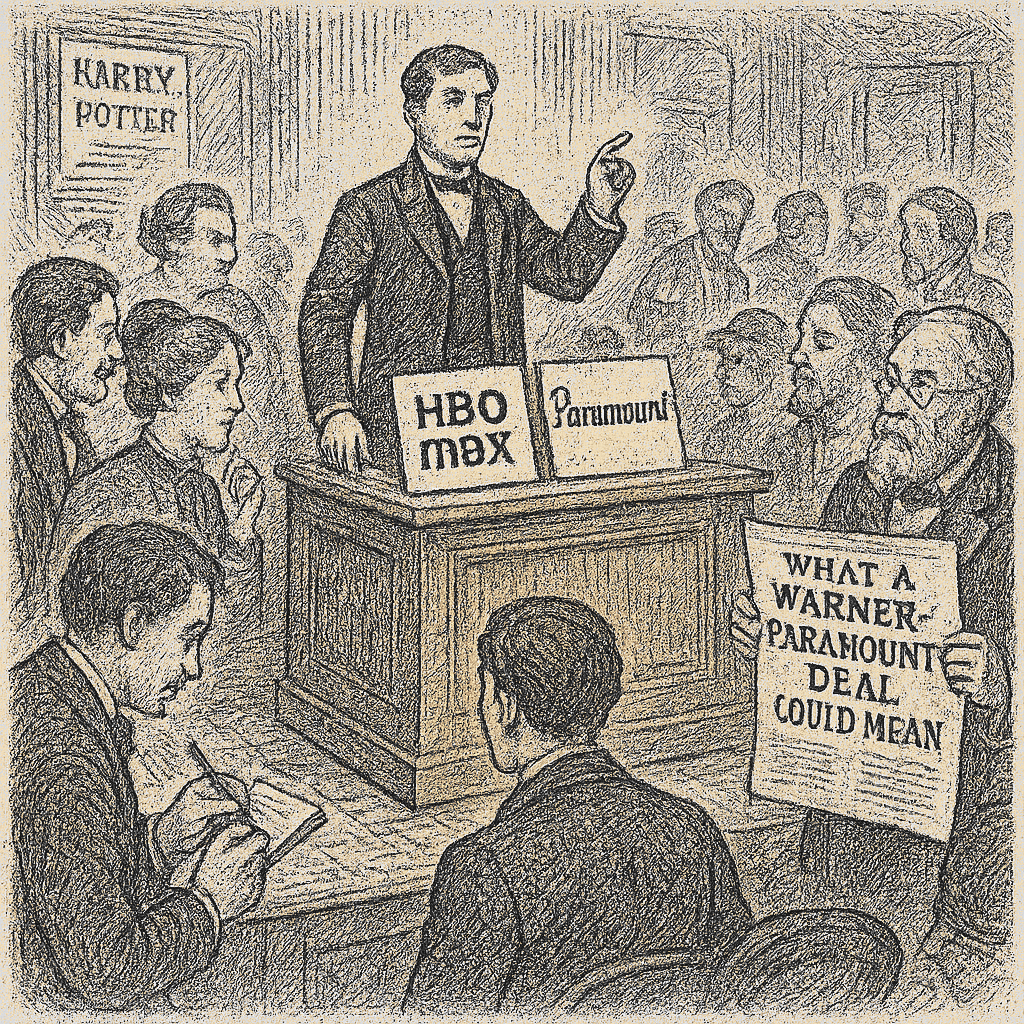
A Paramount-Skydance combination would, according to executives, unify Paramount+ and Warner’s HBO Max. Company leaders have said the two streaming services would be merged into a single platform, but they have not said what it would look like in practice or whether it would keep distinct brands. David Ellison, Paramount’s chief executive, suggested that HBO could remain “HBO” at least on the production side even as platforms come together.
Warner’s HBO streaming lineup includes titles such as “The Pitt,” “Game of Thrones” and “Sex and the City,” alongside Warner’s broader franchises. The company’s library also includes blockbuster films and related assets, including “Harry Potter,” “Barbie” and “Superman,” and it owns DC Studios. Paramount’s existing catalog includes films such as “Top Gun,” “Titanic,” “The Godfather” and “Yellowstone,” in addition to other properties.
Critics have questioned what they view as potential consumer downsides, including fewer streaming choices. They have also warned that consolidation could translate into higher prices as subscription costs continue to rise across the market. The concern is paired with the claim from Paramount and Warner executives that a larger combined library could help the merged company better compete with larger rivals.
In the U.S., a streaming guide, JustWatch, showed HBO Max with about 12% of on-demand subscriptions in the first quarter of this year and Paramount+ with about 3%. Even after combining the two services, the total would still be below Prime Video’s 17% and Netflix’s 19% market shares, according to the guide, while Disney’s Hulu and Disney+ together account for about 27% of the market. Beyond HBO Max, Paramount would also acquire Warner’s Discovery+ streamer, while Paramount already owns Pluto TV and BET+.
The merger would also combine major studio operations. Paramount and Warner Bros. are two long-running Hollywood studios, and a deal would bring legacy film production under fewer corporate owners. Ellison said he wants the combined company to expand to a slate of more than 30 movies a year, while keeping Paramount and Warner Bros. as stand-alone operations.
In a CinemaCon appearance last week, Ellison pledged a 45-day exclusive window for films in theaters and framed it as a “complete commitment” to the exhibition industry. Other industry watchers have raised concerns about what consolidation could mean for jobs and which projects get approval, pointing to regulatory filings that have indicated cost-cutting plans could include layoffs and reducing overlapping operations. Paramount would also take on billions of dollars in debt to finance the transaction.
On the awards side, Warner Bros. had a “banner year” described by the report, with 30 Oscar nominations connected to films including “Sinners,” “Weapons,” and “One Battle After Another,” which the report says won the best picture slot. Paramount, by contrast, received zero nominations in that accounting, and in 2025 Warner’s movies—including “A Minecraft Movie,” “Superman” and “Sinners”—accounted for 21% of domestic box office, while Paramount’s market share was described as 6% driven largely by “Mission: Impossible — The Final Reckoning.”
If the Warner sale proceeds, it could mark another step in an industry that has already consolidated over the last decade. The report describes the shift from Hollywood’s big six studios to the big five after Disney bought most of 20th Century Fox, and suggests a successful Warner combination could move the industry toward a “big four” era that places a larger Paramount alongside Disney, Universal and Sony.
The deal would also put two major U.S. cable news operations under Paramount ownership. CNN would come under the same roof as Paramount-owned CBS, though whether CNN would continue as a separate brand from CBS was not confirmed in the report. The report also described anxiety among critics that Paramount could reshape editorial priorities at CNN.
Critics have pointed to Donald Trump’s longstanding animosity toward CNN and to links they say connect Trump and the Ellison family, including billionaire Oracle founder Larry Ellison funding the bid through his son’s company. After Skydance took over Paramount less than a year ago, CBS has already seen changes in editorial leadership, including appointing Free Press founder Bari Weiss as editor-in-chief of CBS News, according to the report.
Other concerns voiced in the report focused on public statements by officials in the Trump administration. It described a White House attack on CNN in March over its coverage of the U.S. and Israel’s war against Iran, and it said Secretary of Defense Pete Hegseth told reporters that “the sooner David Ellison takes over that network, the better.”
Ellison has said editorial independence would be maintained under Paramount ownership. In March, he told CNBC’s “Squawk on the Street” that “It’s maintained at CBS. It’ll be maintained at CNN,” while describing the company’s goal to reach viewers he said identify as center-left or center-right. The report also said the acting head of the U.S. Justice Department’s antitrust division said its regulatory review would not be political, even as critics remained skeptical in light of the earlier Skydance acquisition of Paramount.
Beyond CNN, the report said Warner controls a larger group of television and cable networks, including Discovery, TNT, TBS, Food Network, Cartoon Network and Animal Planet, which would come under Paramount ownership if the deal is completed. Paramount’s existing broadcast portfolio includes CBS and additional networks such as Nickelodeon, MTV, BET, Comedy Central and Showtime, meaning the combined entity would have a broader footprint across cable and broadcast as well as streaming.