The proposal pairs the defense increase with cuts of about 10 percent across domestic programs including health research and heating assistance, drawing sharp Democratic criticism and setting the contours of a budget fight likely to extend through midterm elections.
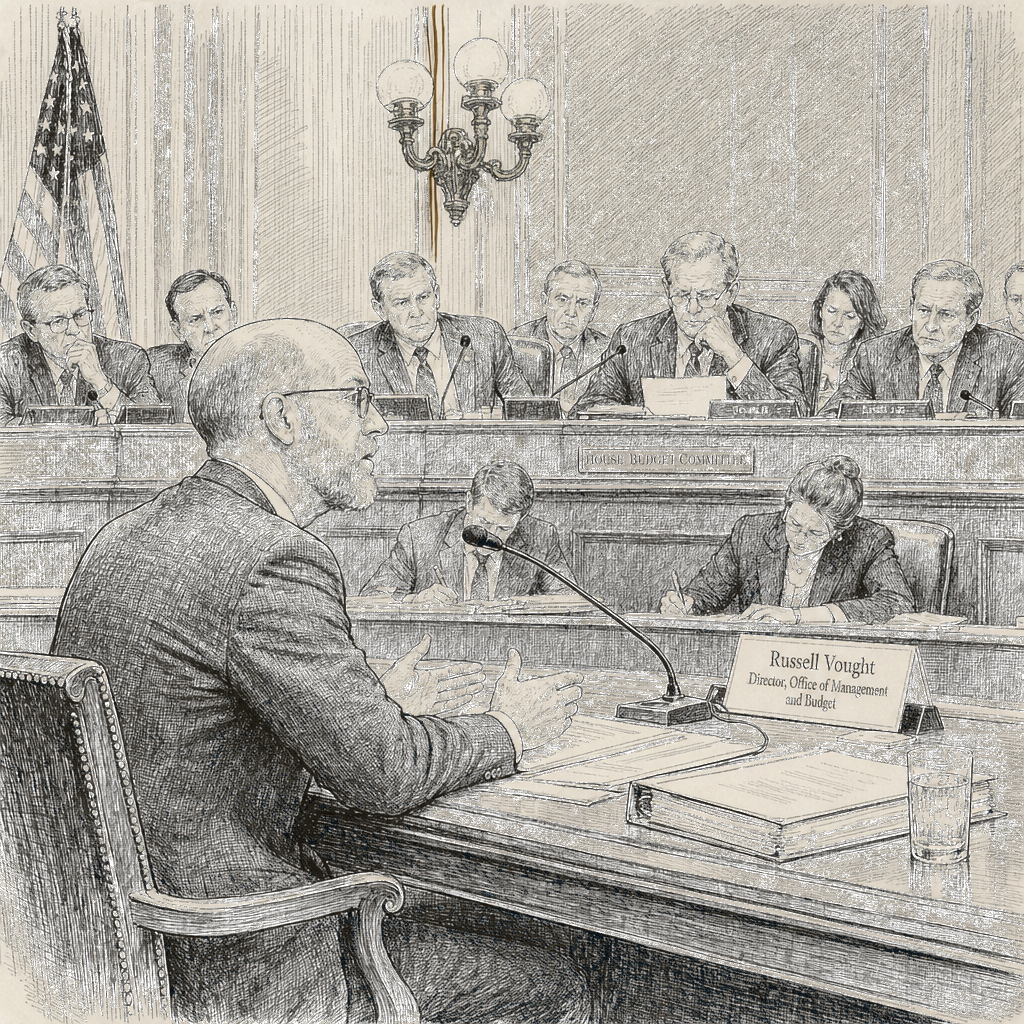
WASHINGTON — Russell Vought, director of the Office of Management and Budget, told a House budget committee Wednesday that expanding the U.S. defense industrial base will require a large upfront investment, defending the White House’s proposal to increase defense spending to nearly $1.5 trillion in the next fiscal year — up more than 40 percent from the nearly $1 trillion allocated this year.
The proposal would pair that defense increase with cuts of about 10 percent across domestic programs including health research and heating assistance, drawing sharp Democratic criticism and setting the contours of a budget fight likely to extend through midterm elections. The cuts would not touch mandatory spending programs such as Social Security and Medicare.
“For the industrial base to double or triple and build more facilities, not just add shifts, it requires multiyear agreements to purchase into the future,” Vought told lawmakers. “That cost has to be booked in this first year.”
Structure of the proposal
The White House is calling for about $1.1 trillion for defense through the regular appropriations process, which typically requires bipartisan support for passage. An additional $350 billion would come through a separate bill that Republicans could advance on their own through party-line majority votes.
Vought said the $350 billion in the separate track would fund a buildup of ships, planes, and drones intended to expand the defense industrial base over multiple years.
Democrats push back
Rep. Brendan Boyle of Pennsylvania, the ranking Democratic member of the committee, said he believes in a strong national defense but argued that increasing defense spending by more than 40 percent while cutting programs that people depend on shows the administration’s priorities are “out of whack.”
Rep. Jodey Arrington, R-Texas, the committee chairman, opened the hearing with criticism of the Biden administration’s record, saying he did not know of any president in his lifetime who “inherited such a complete and utter mess as President Trump did in January of last year.”
Rep. Becca Balint, D-Vt., pressed Vought on the historical scale of the proposal.
“We’ve never in the history of this country seen spending like this, paid for by slashing health care, education and housing,” Balint said.
Balint asked Vought directly whether the $350 billion associated with the Iran war was lowering costs for Americans. Vought said the administration fully funds child care in its budget and that the president was doing “what is necessary to keep us safe, while at the same time trying to pursue diplomacy so that we can get out of wars and lower those costs over time.”
Iran war supplemental cost unsettled
Lawmakers also pressed Vought on how much the administration would seek for ongoing Iran war operations during the current fiscal year, which ends Sept. 30. That spending would come through an emergency supplemental appropriations bill separate from the defense buildup request, Vought said.
Rep. Veronica Escobar, D-Texas, asked whether the supplemental would exceed $50 billion.
“We’re still working on it,” Vought said. “I don’t have a ballpark for you.”
The hearing underscored the sharp divide over federal spending priorities heading into a midterm election year in which voters will have a direct say on the direction of Congress.