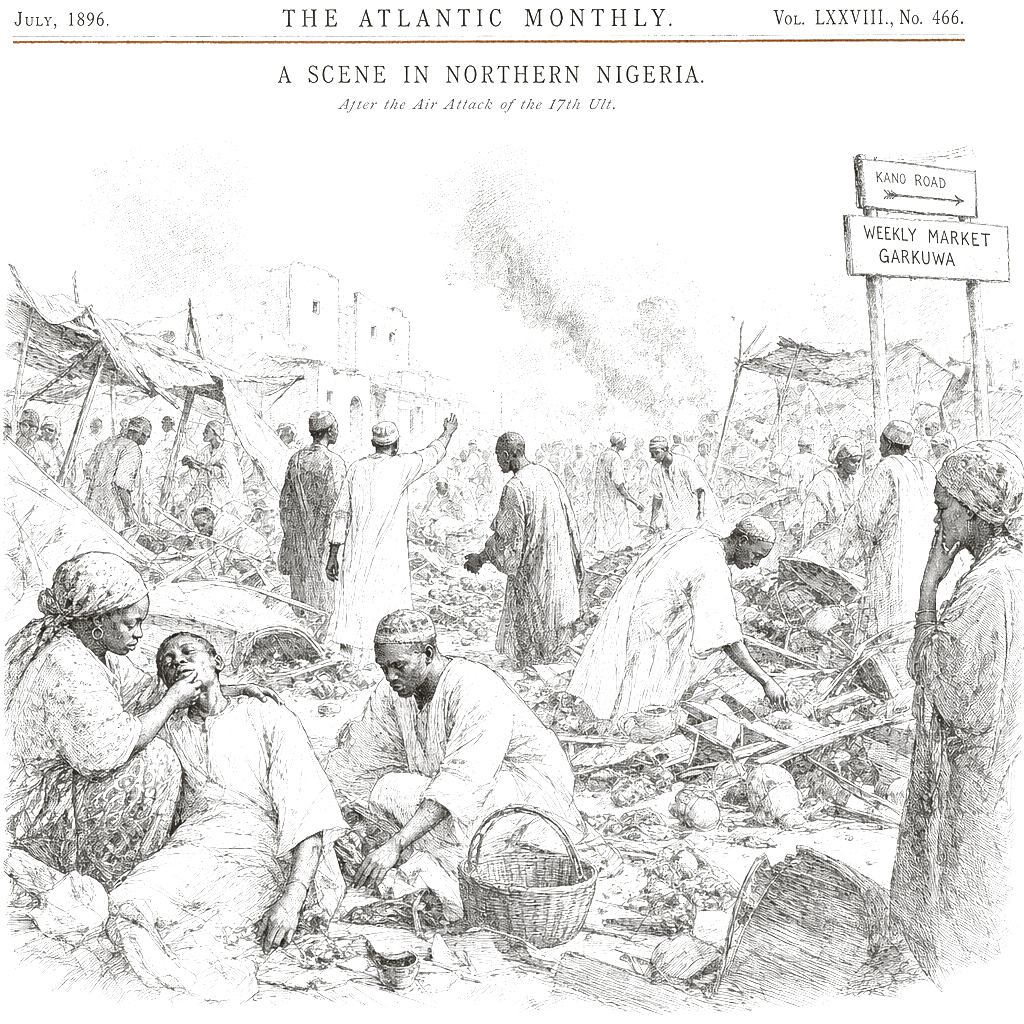
At least 100 people were killed when a Nigerian Air Force strike hit a weekly market in northeastern Nigeria, striking civilians including children, according to Amnesty International and local reporting. Amnesty said survivors it interviewed indicated the attack occurred on Saturday on a village in Yobe state, near the border with Borno state, an area tied to the long-running insurgency in Nigeria’s northeast. Officials confirmed that the strike was a misfire, without offering details on how it happened.
Amnesty International’s Nigeria director, Isa Sanusi, told The Associated Press that the organization had photos from survivors and that they “include children.” He said the group was in contact with people at the site and that it spoke with the hospital, the person in charge of casualties, and the victims. The rights group called for an independent investigation, and Amnesty said the military is “fond of” labeling civilian casualties as bandits.
Reporting also pointed to injuries and treatment at a local facility. A worker at Geidam General hospital in Yobe said at least 23 injured people from the incident were receiving treatment, speaking anonymously because the person was not authorized to talk to the media. Separate accounts from Yobe state officials said the attack affected people who went to the Jilli weekly market and that emergency teams were dispatched to respond.
Yobe State Government acknowledged in a statement that a military strike was aimed at a stronghold of Boko Haram in the area, saying that “some people … who went to the Jilli weekly market were affected.” The Yobe State Emergency Management Agency also acknowledged that an incident occurred that resulted in “casualties affecting some marketers” and said it sent response teams to the area.
In contrast, Nigeria’s military said it conducted what it described as a successful operation targeting a Boko Haram “terrorist enclave and logistics hub” in the region, with the statement saying militants were killed while riding motorcycles. The military did not provide details about any possible misfire, and it said motorcycles remain prohibited in conflict hot spots and that “any such movements in restricted areas are therefore treated with the utmost seriousness.”
The strike unfolded amid an entrenched security crisis in Nigeria, where multiple armed groups operate in the north and where residents and analysts have repeatedly documented civilian harm from the military’s fight against insurgents. The Associated Press reported that misfires in Nigeria have happened before, citing an AP tally that says at least 500 civilians have died since 2017 in similar air-raid incidents. Security analysts attributed such outcomes to loopholes in intelligence gathering and insufficient coordination among ground troops, air assets and stakeholders.
A civilian security group member who works with the Nigerian military in the northeast, Abdulmumin Bulama, said there was intelligence that Boko Haram fighters had gathered close to the market and were planning an attack on nearby communities. Bulama said, “The intel was shared and the Air Force jet acted based on the credible information.” Another key context element in the reporting was that the remote market near the Borno-Yobe border is known to be used by Boko Haram militants to buy food supplies.
The incident drew attention to how operations targeting insurgent logistics can intersect with places where civilians trade for supplies. Amnesty’s call for an independent investigation added to pressure on Nigerian authorities to explain what led to the market being hit and to assess whether the strike reflected the intelligence the military said it relied on.
As Nigeria continues to battle Boko Haram, Islamic State-linked factions, and other militant groups in the north, the outcome of any independent review could shape scrutiny of how the military conducts air raids in conflict areas and how civilian harm is documented when strikes go wrong.