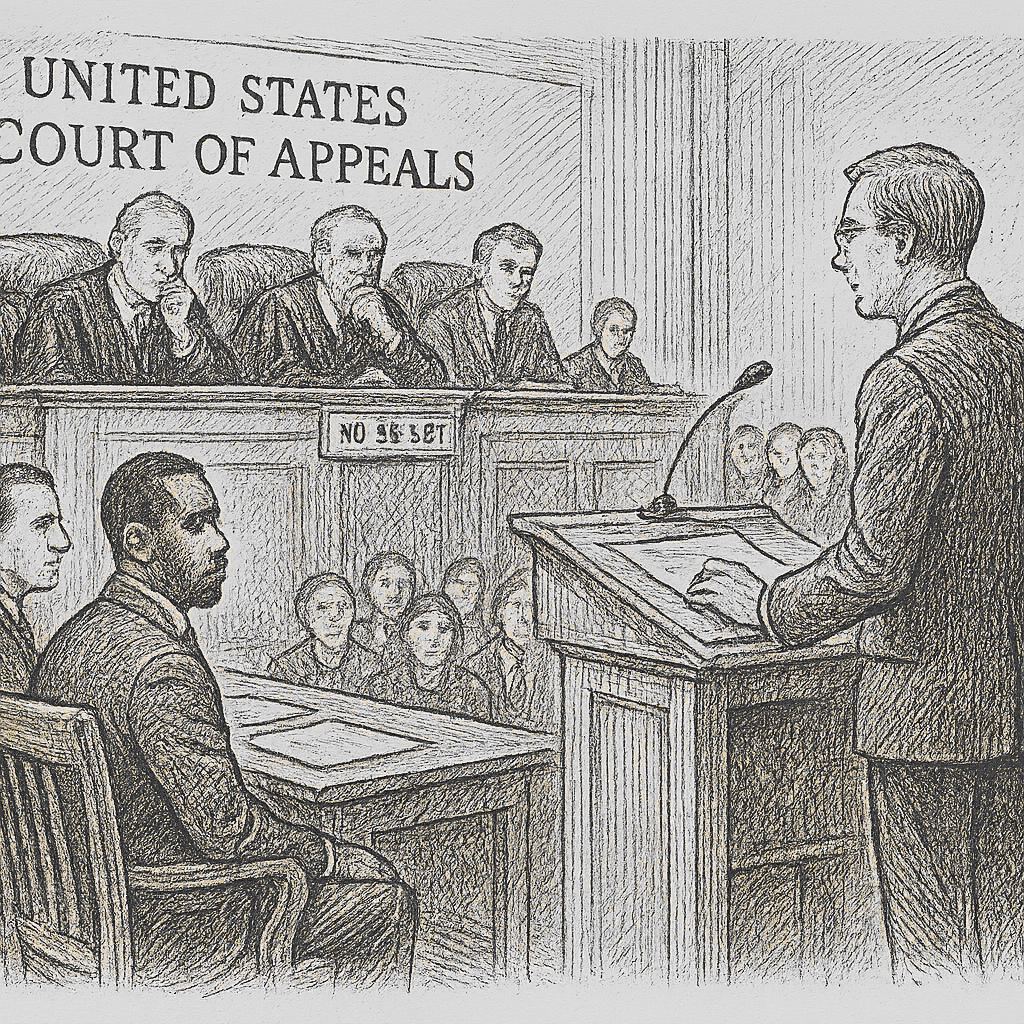
Combs, currently in federal prison in New Jersey, is challenging both his conviction and his prison sentence, and federal appeals judges on Thursday pressed attorneys on how sentencing law applies in cases involving both convictions and acquittals.
The hearing at the 2nd U.S. Circuit Court of Appeals in Manhattan focused on the length of the punishment Judge Arun Subramanian imposed after Combs was convicted last July under the federal Mann Act, which bans transporting people across state lines for any sexual crime. Combs was sentenced to four years and two months in prison, and the appeals panel did not issue a decision at the end of the arguments that lasted about two hours.
Circuit Judge William J. Nardini, addressing the panel at the conclusion of the hearing, called it “an exceptionally difficult case” and said it raised questions of first impression “not only for this court but for any federal court in the country.” The remark underscored that the judges viewed the legal issues as potentially broader than Combs’ own case.
Much of the questioning centered on whether the sentencing judge improperly considered facts tied to charges the jury had not convicted Combs of. Combs’ lawyer, Alexandra Shapiro, argued that the four-year, two-month term was the most prison time ever given someone convicted of the same charges with a similar criminal history.
Assistant U.S. Attorney Christy Slavik, arguing for the government, challenged that characterization and said the sentence was below what federal sentencing guidelines called for and aligned with similar convictions in the 2nd Circuit. The judges’ questions suggested they were weighing that dispute against sentencing principles that apply after mixed outcomes at trial.
In sentencing Combs, Subramanian said: “Mr. Combs, you’re being sentenced for the offenses of conviction, NOT the crimes he was acquitted of. However, under law, the court ‘shall consider’ the nature of the offense and characteristics of the defendant.” Subramanian also cited law stating there is no limitation on the “background, character and conduct” that a judge can consider.
Combs’ trial surfaced testimony about violence, drugs and sexual performances that witnesses said he called “freak-offs” or “hotel nights.” Prosecutors’ case involved charges that carried the possibility of life in prison, but the jury acquitted Combs of sex trafficking and racketeering charges.
Combs did not testify, and his defense team acknowledged he could be violent while arguing prosecutors were trying to turn his private life into a federal crime. While the briefing also included arguments about First Amendment protections for filmed sexual encounters that his lawyers said amounted to “amateur pornography,” the appeals panel did not discuss those claims during Thursday’s arguments.
After his September 2024 arrest, Combs, 56, has been in federal custody, and the Federal Bureau of Prisons says he is scheduled for release in April 2028. His attorneys asked the appeals court either to reverse his conviction or at least free him and resentence him to less time.