Body
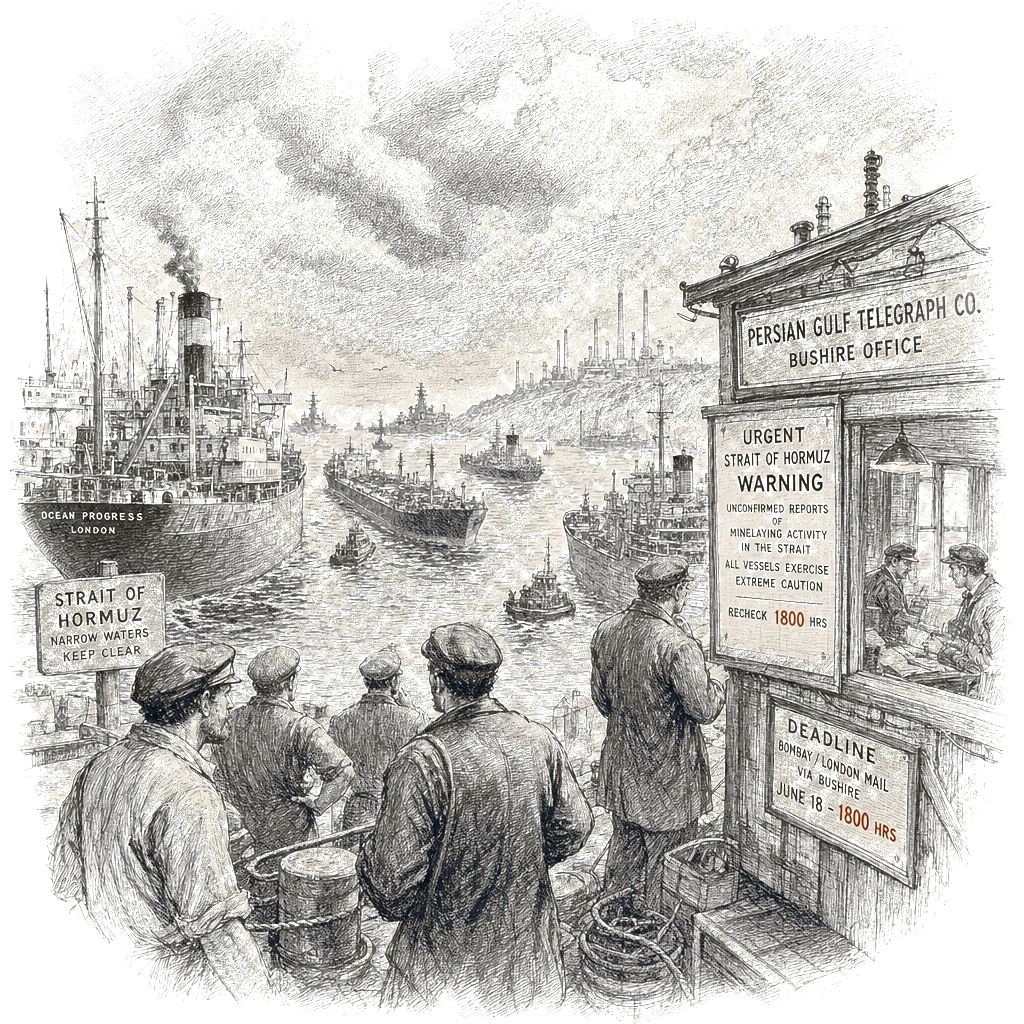
Iran and the United States traded threats over the Strait of Hormuz on Sunday, as the Middle East war entered its fourth week and officials warned about potential damage to civilian-linked infrastructure. Iran said it would “completely” close the shipping chokepoint immediately if the U.S. carried out President Donald Trump’s threat to attack Iranian power plants, and it warned that retaliatory strikes could broaden to other vital facilities across the region.
Trump, speaking after the Iranian threat escalated, set a 48-hour deadline for Iran to open the Strait of Hormuz following his warning that the United States would destroy Iranian “various POWER PLANTS, STARTING WITH THE BIGGEST ONE FIRST!” The Strait of Hormuz is a key route for oil and other exports, and Iran’s position—paired with its demand for safe passage for vessels from countries other than its enemies—has renewed concerns about disruptions to global energy shipping.
Israel’s military conflict also continued to intensify, with Prime Minister Benjamin Netanyahu describing a missile strike late Saturday on southern communities near a secretive nuclear research site as a day in which “it was a ‘miracle’ no one was killed,” despite scores of injuries. Israeli leaders visited the area on Sunday and argued they were on track to achieve war goals that ranged from weakening Iran’s nuclear and missile programs to reducing support for armed proxies and, in Netanyahu’s framing, enabling change in Iran.
Iran’s statements added to the pressure around infrastructure and legal limits. Under international law, power plants benefiting civilians can be targeted only if the military advantage outweighs the suffering caused, legal scholars said in a report cited by The Associated Press. Iran’s parliament speaker Mohammad Bagher Qalibaf responded on X that if Iran’s power plants and infrastructure are attacked, then infrastructure across the region—including energy and desalination facilities tied to drinking water in Gulf nations—would be treated as legitimate targets and “irreversibly destroyed,” and he later added that “entities that finance the US military budget are legitimate targets.”
The conflict also raised new nuclear concerns after Iranian strikes late Saturday, with Iran saying its actions in the Negev Desert were retaliation for an attack on Iran’s main nuclear enrichment site in Natanz, according to state-run media. Tehran praised its strike as a show of strength, while Israel’s military said Iranian missile launches have decreased since the war began. The International Atomic Energy Agency said the bulk of Iran’s estimated 972 pounds (441 kilograms) of enriched uranium is elsewhere, under the rubble at Iran’s Isfahan facility, while Israel denied responsibility for hitting Natanz and the Pentagon declined to comment on the strike.
In northern Israel, Hezbollah said it was responsible for an airstrike that killed a man, while Israeli officials were also investigating whether another death was caused by a strike or by Israeli soldiers’ fire. Israeli authorities identified the man as 61-year-old farmer Ofer “Poshko” Moskovitz, who had told a radio station two days earlier that living near the Lebanese border felt like “Russian roulette.”
As fighting expanded in southern Lebanon, Israeli actions focused on transport routes, including bridges over the Litani River that Israel said Hezbollah is using to move fighters and weapons south. Israel later struck the Qasmiyeh bridge near Tyre and gave an hour’s warning before the strike, with Lebanese President Joseph Aoun calling the bridge campaign “a prelude to a ground invasion.” Defense Minister Israel Katz also ordered the military to accelerate destruction of Lebanese homes near the border, and officials in Lebanon said Israel’s strikes had killed more than 1,000 people and displaced more than 1 million.
In parallel, officials described repeated attacks across the region’s airspace, with Kuwait and the United Arab Emirates saying early Monday their air defenses were handling missile and drone attacks as air raid sirens sounded in Bahrain. The Associated Press also reported that Iran’s death toll in the war had surpassed 1,500, with Iran’s health ministry saying that figure and Israeli strikes killing 15 people in Israel, while more than a dozen civilians in the occupied West Bank and Gulf Arab states were killed in strikes.