Iran’s warning and the U.S. deployment announcement landed in the middle of an escalating Middle East war with no clear pause in hostilities, as Israel reported ongoing missile fire and Gulf states described new drone activity. The U.S. decision to increase its military presence was announced as President Donald Trump later used social media to suggest the U.S. was moving toward a “winding down” of its Middle East operations, a contrast that came amid market volatility tied to energy prices.
Iran’s most explicit message about expanding the scope of retaliation came in a warning from Gen. Abolfazl Shekarchi, Iran’s top military spokesperson, who said “parks, recreational areas and tourist destinations” worldwide would not be safe for the country’s enemies. The warning renewed concerns that Tehran could shift from strikes focused on the region toward attacks aimed at pressure points elsewhere through irregular or militant-style attacks.
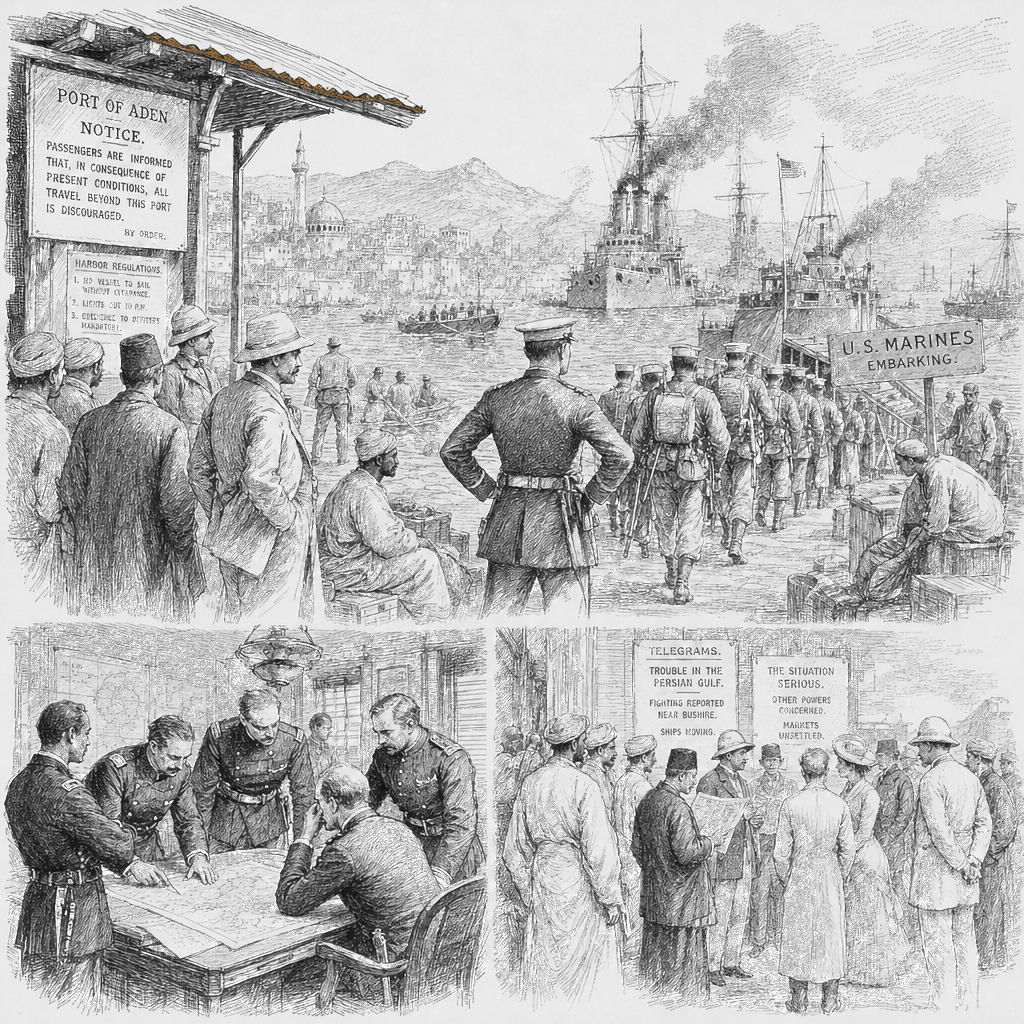
The U.S. announcement, issued as the war entered its third week, said it is sending additional military assets and Marines to the Middle East. Officials told The Associated Press that three more amphibious assault ships and roughly 2,500 additional Marines were being deployed. Two other U.S. officials confirmed that ships were deploying but did not say where they were headed; all officials spoke on condition of anonymity to discuss sensitive military operations.
Trump’s social media post that the U.S. is considering “winding down” U.S. operations in the Middle East appeared to conflict with the announcement of additional deployments and with a separate Trump administration move to request more funding from Congress to help support the war effort. The posting also followed reports of another rise in oil prices that helped push the U.S. stock market lower.
Iran’s threats came alongside reported strikes on both sides. Israel said Iran continued to fire missiles at it early Saturday, and Saudi Arabia said it downed 20 drones in a couple of hours in the country’s eastern region, an area described as home to major oil installations. Saudi officials said there were no injuries or damage from the activity, while the attacks also followed Israeli airstrikes in Tehran on Nowruz, the Persian New Year.
Iran’s leadership messaging during the holiday period also underscored Tehran’s position in the conflict. Supreme Leader Ayatollah Mojtaba Khamenei praised Iranians’ steadfastness in a written statement read on Iranian television to mark Nowruz, saying the U.S. and Israeli attacks were based on an illusion that killing Iran’s top leaders could lead to the overthrow of the government. The report noted that Khamenei has not been seen in public since becoming supreme leader after Israeli strikes killed his father, Ayatollah Ali Khamenei, and reportedly wounded him.
The U.S. and Iran were also communicating through economic and energy policy moves that have direct effects on global pricing. The Trump administration announced it will lift sanctions on Iranian oil loaded on ships as of Friday, with the pause set to end April 19. The report said the license includes limits, including a restriction on sales involving anyone in North Korea or Cuba, and Treasury Secretary Scott Bessent had previously suggested the approach could help prevent China from being the sole beneficiary of Iranian oil.
Market pressures have accompanied the military escalation. The report said Brent crude has risen during the fighting and was around $108 per barrel, up from roughly $70 before the war. It also said the newly announced sanctions pause is not designed to increase production volume, a factor central to the surge in prices, and that Iran has managed to evade U.S. sanctions for years, suggesting much of what it exports already reaches buyers.
Meanwhile, Israel expanded strikes related to Hezbollah. The Israeli military said it began a wave of strikes targeting Hezbollah militants in Beirut’s southern suburbs, with fires and loud explosions reported after army evacuation warnings for several neighborhoods. The report said no injuries were reported in the early Saturday account, and it added that Israeli strikes targeting Iran-backed Hezbollah militants in Lebanon have displaced more than 1 million people, according to the Lebanese government, which said more than 1,000 people have been killed.
The war has continued to broaden in reach and impact despite shifting messages from Washington. The report said the conflict began Feb. 28 with U.S. and Israeli strikes and described uncertainty about how much damage Iran’s arms, nuclear, or energy facilities have sustained, in part because “little information” has come out of Iran. It also said the broader campaign is still choking off oil supplies and raising food and fuel prices beyond the Middle East, with reported deaths including those from Iranian missiles in Israel and U.S. troops killed during the conflict.