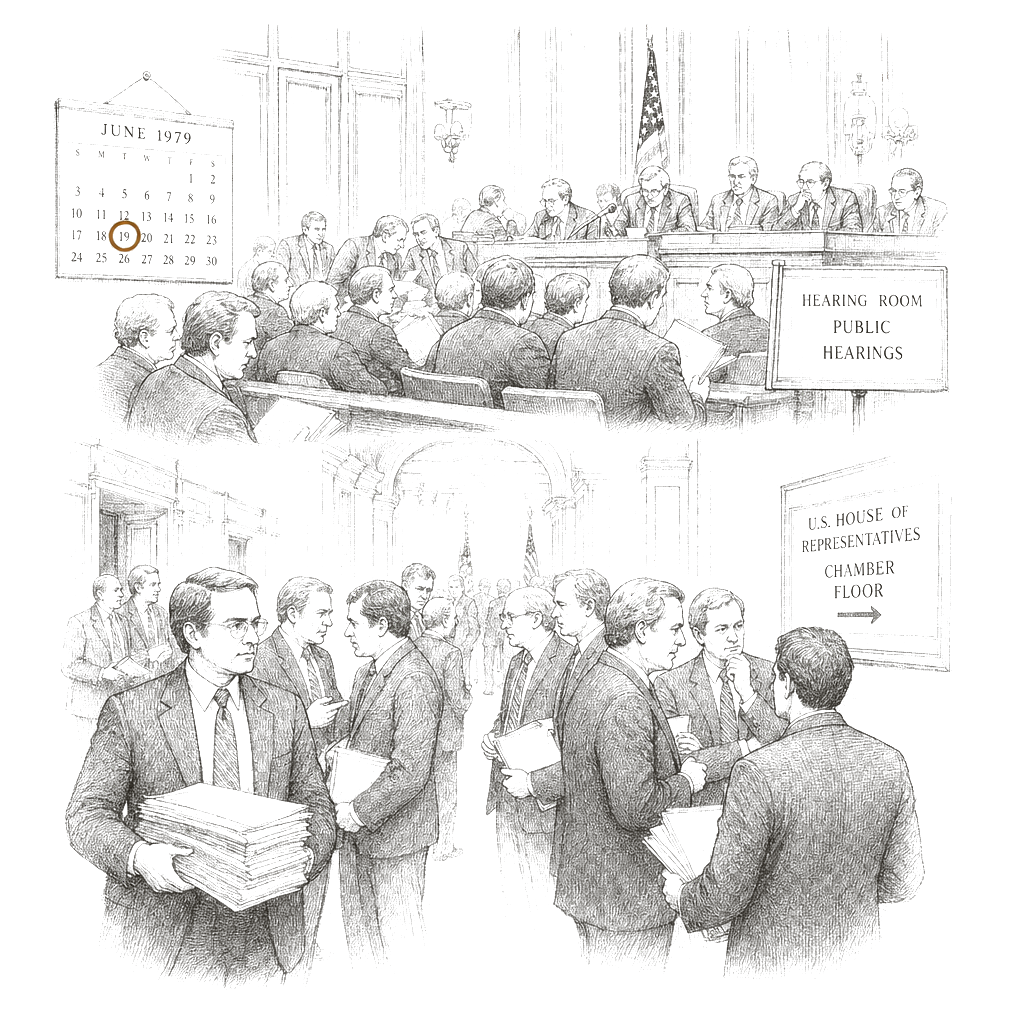
Congress has yet to hold public hearings to test the Trump administration’s case for the U.S. war with Iran, even as the conflict entered its third week and Democrats pressed for oversight.
Republicans in Congress have, for now, side-stepped public debate over the war. Senate Democrats, increasingly frustrated, have turned to procedural options to demand hearings with Trump administration officials and to force more visibility on how decisions are being made.
“We’ve had no oversight whatsoever over what the executive is doing as we’re spending a billion dollars a day, and we have failed to have any real substantive debate or discussion,” Sen. Cory Booker, D-N.J., said. Democrats argued that Congress’s role in deliberations is an unsettled question with major stakes because lawmakers can shape the trajectory of the conflict as costs and casualties rise.
According to the reporting, 13 military members had been killed and billions of dollars had been spent, but President Donald Trump had not sought congressional approval for attacking Iran. As the 17th day of the conflict dawned Monday, the article said Republican lawmakers remained mostly resistant to quickly forcing public testimony before Congress.
Senate Majority Leader John Thune said last week he did not expect public hearings specifically on the Iran war, adding that the issue would come up in the “regular rhythm” of testimony on military policy and spending. Thune said the administration had “briefed us” in classified settings held behind closed doors, and said Defense Secretary Pete Hegseth and Gen. Dan Caine, chairman of the Joint Chiefs of Staff, had been answering questions at regular news conferences.
Thune said Hegseth and Caine were “answering the hard questions that are being asked.” Republican committee chairs who deal with national security also said they did not have plans for hearings specifically on the war in the near term, though some acknowledged the value of lawmakers’ questioning. Sen. Roger Wicker, the Republican chair of the Senate Armed Services Committee, argued that the regular run of hearings would give lawmakers opportunities to ask questions, saying: “We’re going to conduct generous oversight, thorough oversight.”
At the same time, the article described wariness growing among some Republicans about how much information the public and lawmakers will receive as the conflict stretches on. Some Republicans said they were bracing for a supplemental budget request from the administration to cover war costs, though that request was described as likely weeks away and facing a difficult path through Congress.
Democrats pointed to additional Pentagon funding already received from Republicans’ marquee tax cut law passed last year, which they said included money for GOP priorities, including at the Pentagon. Democrats’ framing was that oversight and transparency were lagging even as spending increased.
Still, the article said agitation among some Republicans about the lack of high-level responses from the administration was showing. Sen. Lisa Murkowski, R-Alaska, said she did not want Congress to be given an invoice for the cost of the war without an engagement from administration officials, and she argued for information being shared in both classified briefings and public hearings so “the public can better understand this, too.”
Another Republican, Sen. John Kennedy, said he left a classified briefing angry after officials could not provide answers that top-level Cabinet officials could. The article reported Kennedy describing the session as a “total waste of time.”
Even as most Republicans backed Trump’s decision to launch an attack on Iran, the article said many were concerned about the potential for a lengthy conflict. It reported that Trump had cycled through different objectives for the war, including crippling Iran’s military capabilities and a demand for “unconditional surrender.” Sen. Cynthia Lummis, R-Wyo., said it was too early for hearings, arguing that hearings could be useful if the effort’s path to its objective became unclear.
Other Republicans pointed to constraints from classified information. Sen. Mike Rounds, R-S.D., said he wished more could be disclosed publicly, but that classified briefings were necessary to protect U.S. service members now that the war was underway.
Democrats, meanwhile, threatened to push for a debate by using Senate procedure to force attention to the conflict. The article said a group of six Democrats warned that unless hearings were scheduled with Hegseth, Secretary of State Marco Rubio and other Cabinet officials, they would call up daily votes on war powers resolutions. The article said the proposed resolutions would require Trump to gain congressional approval before carrying out any more attacks on Iran and that similar measures had been rejected by both chambers in the Republican-controlled Congress.
The article said the threatened daily votes would consume valuable Senate floor time and set up a debate over the conflict as Republicans planned to spend much of the week pushing Trump’s priority legislation to impose strict proof-of-citizenship requirements for voting. It also said the Democratic group hinted at using other tactics to slow Senate work on other business.
Sen. Chris Murphy, a Connecticut Democrat, told reporters that unless there is a commitment for public hearings, “We’re not going to let the Senate go on with business as usual. We’re not going to let the Senate be silenced.”