Body
The Justice Department said on Monday that it had reached a tentative settlement with Live Nation Entertainment and Ticketmaster to resolve its antitrust lawsuit targeting ticketing practices for live events in the United States. The department pitched the proposed deal as a consumer-focused resolution, while over two dozen state attorneys general said they planned to keep their case in court.
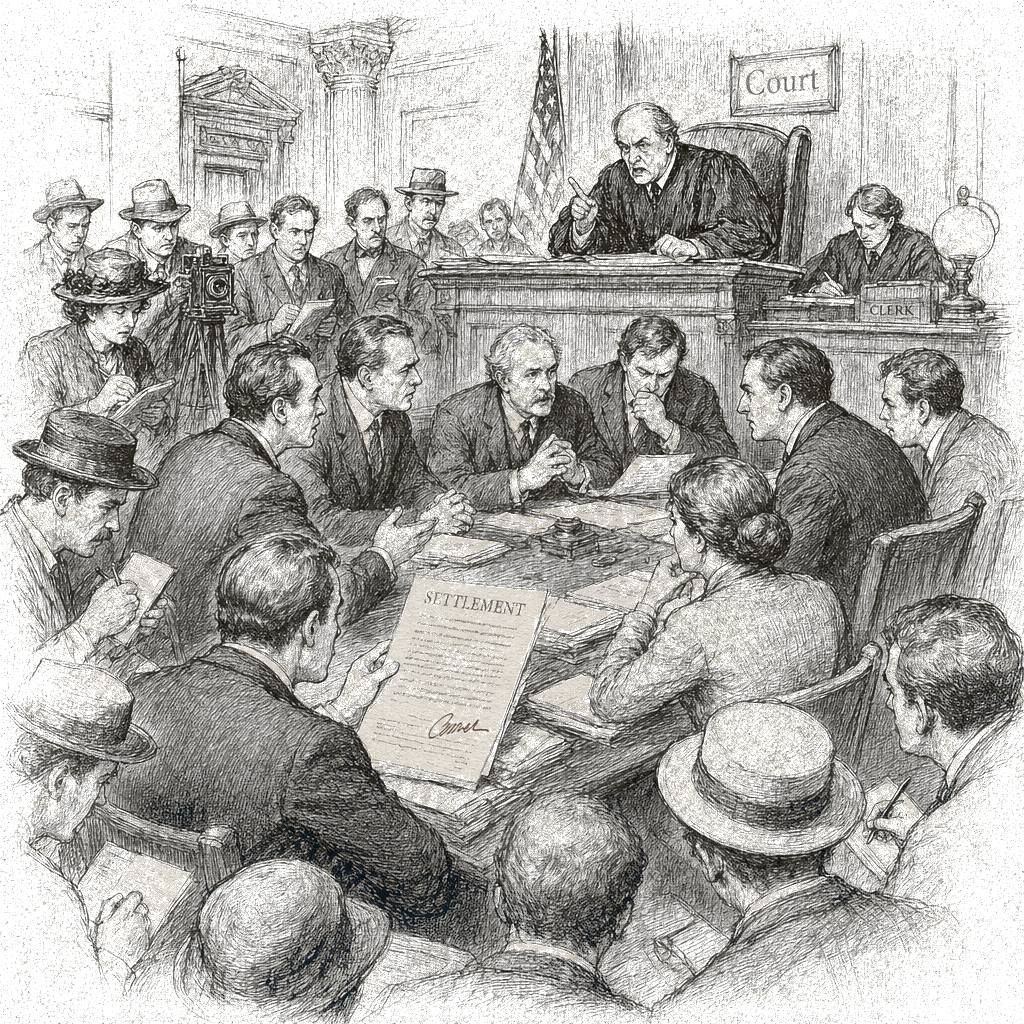
The settlement outline, described as a “term sheet,” was introduced in Manhattan federal court alongside an ongoing antitrust trial that began last week. Judge Arun Subramanian criticized the process after a government lawyer revealed the agreement during court proceedings, saying it was disclosed only late Sunday even after the term sheet was signed on Thursday.
According to the term sheet, Live Nation agreed to let venues reach deals that would allow a portion of tickets to be sold by entities other than Ticketmaster. The outline also provides for up to 50% of tickets to be sold through any ticketing marketplace at amphitheaters that Live Nation owns, operates or controls.
The term sheet sets additional limits and structural remedies at those amphitheaters. It calls for Ticketmaster to cap its service fees at 15% at the venues covered by the agreement and requires Live Nation to divest ownership or control of 13 amphitheaters, including venues in Milwaukee, Cincinnati, Syracuse, New York, and Austin, Texas. It also says Live Nation would create a $280 million settlement fund to settle state claims or pay civil penalties.
In a call with journalists under department-arranged terms, a senior Justice Department official spoke about the settlement as it was being negotiated and described the expected participation of states. The official called it a “win-win for everybody,” saying it would bring immediate relief to consumers and protect venues from retaliation when they choose Live Nation’s competitors to handle tickets or promote events.
Live Nation said it was pleased with the tentative settlement, saying it would give other promoters increased access to multiple markets. Michael Rapino, president and CEO of Live Nation, said, “We have never relied on exclusivity to drive our ticketing business, it has simply been the result of having the best products, services and people in the industry.”
State attorneys general and other critics disputed the characterization that the agreement would end a monopoly. New York Attorney General Letitia James said the pact “fails to address the monopoly at the center of this case,” adding, “My attorney general colleagues and I have a strong case against Live Nation, and we will continue our lawsuit.” A statement listing states rejecting the settlement included Arizona, California, Colorado, Connecticut, Illinois, Kansas, Maryland, Massachusetts, Michigan, Minnesota, Nevada, New Hampshire, New Jersey, New Mexico, North Carolina, Ohio, Pennsylvania, Rhode Island, Tennessee, Utah, Vermont, Virginia, Washington, Wisconsin, Wyoming and the District of Columbia.
Other state officials similarly criticized the deal. North Carolina Attorney General Jeff Jackson called it “a terrible deal” that was hidden from states until the last minute, and Washington State Attorney General Nick Brown said the state coalition that joined the Justice Department’s lawsuit in May 2024 would continue, saying the “case against Live Nation is strong, and the state coalition is committed to holding the company accountable for its illegal behavior, protecting consumers and restoring competition to this market.”
Some critics also challenged the adequacy of the settlement fund. Stephen Parker, executive director of the National Independent Venue Association, said the $280 million fund represented about four days of Live Nation’s 2025 revenue, adding, “They could potentially make it back by this Friday.” Parker also said in a statement that the reported settlement did not appear to include specific, explicit protections for fans, artists, or independent venues and festivals, calling it “a failure of the justice system.”
In court, lawyers for states said not all were ready to decide whether to accept the proposed terms. Adam Gitlin, a lawyer for the District of Columbia, told Subramanian that several states had not decided what they would do, including Florida, Louisiana and Texas, which he said had expressed “serious concerns” about the deal.
Judge Subramanian told jurors the trial would resume next week for states pressing claims brought under President Joe Biden’s administration in 2024. The settlement also drew criticism from U.S. Sen. Amy Klobuchar, a Minnesota Democrat, who said in a statement that the only way to end Live Nation’s monopoly is to break up the company. She said the settlement appeared to be “more of the same,” and said it was “troubling” that the deal was announced about a month after the head of the Justice Department’s antitrust division was ousted.
Live Nation and Ticketmaster have previously argued that artists and teams set prices and decide how tickets are sold. The states’ case, by contrast, says the companies have used long-term contracts and other practices to block venues from using multiple ticket sellers and to pressure venues to choose Ticketmaster and Live Nation, and it accuses Live Nation of using threats and retaliation to maintain control over major parts of the live music industry.