Laurence des Cars resigned Tuesday as director of the Louvre Museum after months of pressure that intensified in the wake of October’s theft of the French crown jewels and after French authorities disclosed what investigators described as a suspected long-running ticket fraud operation involving the museum. Macron’s office accepted the resignation, framing it as an “act of responsibility,” and said the Louvre needs “calm” and fresh momentum to carry forward security upgrades, modernization and other major projects.
The resignation caps a punishing year at the world’s most visited museum, according to the Associated Press, and came as scrutiny widened beyond the jewels heist to day-to-day oversight and internal operations. Des Cars, who led the Louvre since 2021, left amid reported labor unrest, operational disruptions and a broader narrative in France about the museum losing control of security and staffing.
The crown jewels theft in October drew particular attention because it was carried out in a daylight operation that investigators later tied to arrested suspects while leaving the stolen pieces still missing. The AP reported that the thieves took the jewels valued at 88 million euros in less than eight minutes from the Apollo Gallery. The heist exposed vulnerabilities that became a focal point for public anger about French heritage security.
Macron’s office said it wanted the museum to move forward with security upgrades, modernization and other major projects, and it indicated a new direction for des Cars during France’s presidency of the Group of Seven, focused on cooperation among major museums. For cultural figures in France, the AP reported that the resignation answered months of questions about why no top official had stepped down after the heist.
In an interview published Tuesday by the daily newspaper Le Figaro, des Cars said she tried to steer the Louvre through the fallout from the theft but had concluded she could no longer carry out the museum’s transformation in the current institutional climate. She also cited the way the October break-in exposed issues she said she had been warning about since taking office, including aging infrastructure, obsolete technical systems and severe congestion.
The AP also tied the leadership pressure to other crises affecting museum operations. It reported a mid-February burst pipe near the “Mona Lisa” and water leaks that damaged priceless books, along with staff walkouts and a wildcat strike in June that halted Louvre operations and left thousands of visitors outside. The report said workers described the pressure of daily visitor flows, particularly around the “Mona Lisa,” as unmanageable, and they said promised reforms were arriving too slowly.
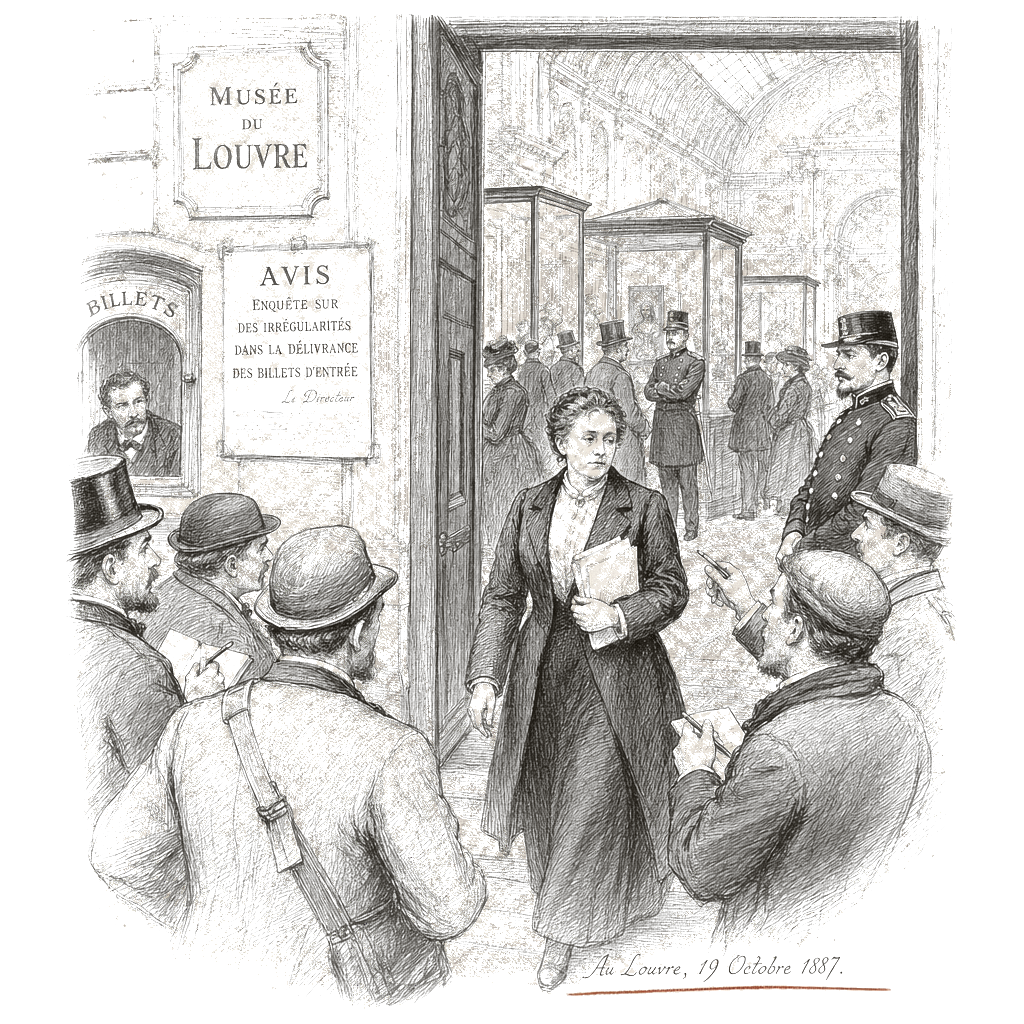
The resignation arrived less than two weeks after French authorities disclosed a suspected decadelong ticket fraud scheme linked to the museum, a case that the AP said prosecutors alleged may have cost the Louvre 10 million euros. Prosecutors said tour guides were suspected of reusing the same tickets multiple times a day to bring in different groups, sometimes with help from Louvre employees, in a system investigators believe operated for a decade.
The AP reported that, in a rare interview days before the ticket fraud case was made public, Kim Pham—the Louvre’s No. 2, general administrator—said fraud at an institution the size of the Louvre was “statistically inevitable,” while also acknowledging shortcomings and saying the museum tightened validation checks and increased controls.
The succession of crises has also put additional strain on the political weight of the Louvre overhaul plan Macron has championed: the “Louvre New Renaissance.” Unveiled in January 2025, the AP reported that the renovation could take up to decades and aims to modernize the museum through measures including a new entrance near the Seine River to ease pressure on I.M. Pei’s pyramid, new underground spaces and a dedicated room for the “Mona Lisa” with timed access to improve crowd flow.
The renovation plan, the AP reported, could cost roughly 700 million to 800 million euros, with funding expected from ticket revenue, state support, donations and Louvre Abu Dhabi-related income—cost and scale that now loom over the search for des Cars’ successor as the Louvre tries to regain stability on security, staffing and operations.