The case has drawn public attention because Richins self-published a children’s book about grief after her husband’s death, which prosecutors suggest may have been part of a calculated cover-up of an alleged murder motivated by money and an extramarital affair.
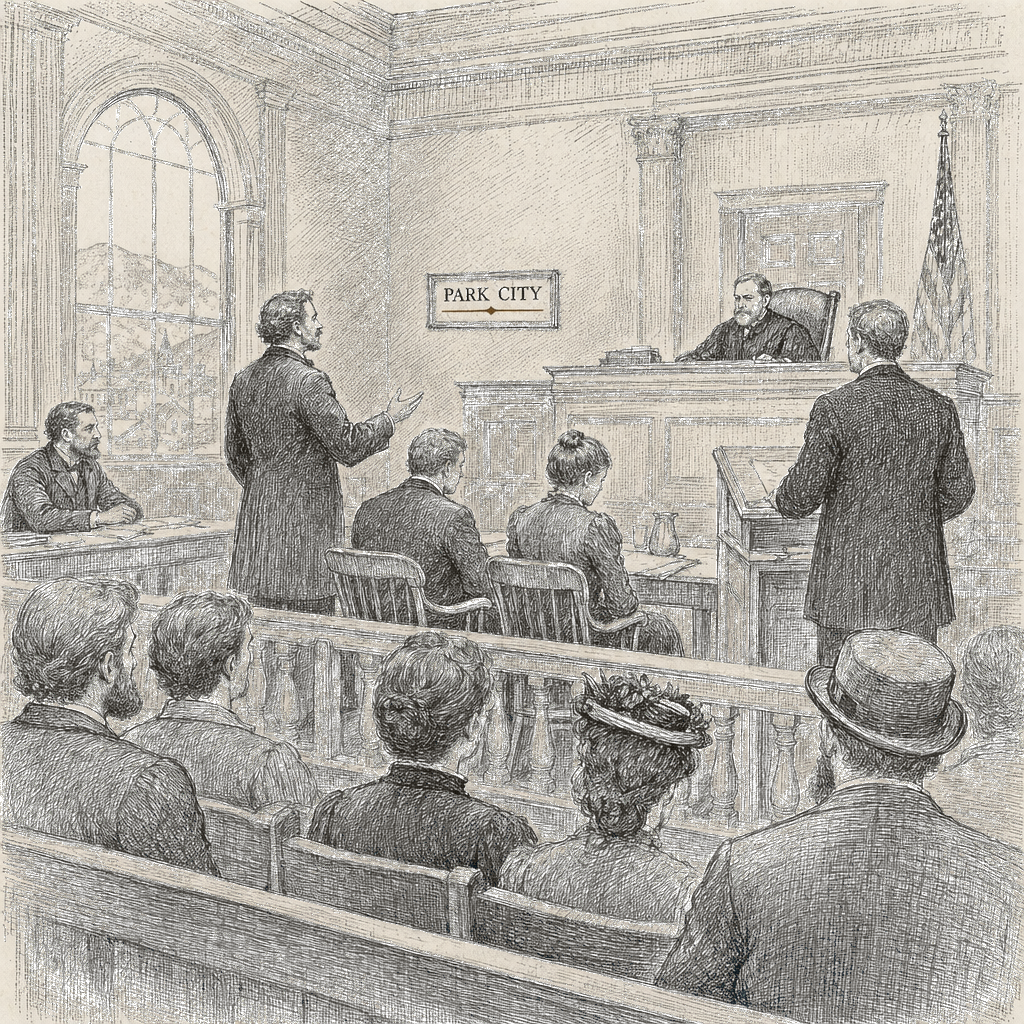
Opening statements began Monday in Park City, Utah, in the trial of Kouri Richins, a 35-year-old children’s book author accused of killing her husband Eric with fentanyl in March 2022. Prosecutors allege she slipped five times the lethal dose of the synthetic opioid into a cocktail to inherit his estate and resolve $4.5 million in debt; her defense team presented an alternative narrative of addiction and accidental overdose.
Richins faces nearly three dozen counts including aggravated murder, attempted murder, forgery, mortgage fraud and insurance fraud. She has denied the allegations.
The Prosecution’s Case
Summit County prosecutor Brad Bloodworth told jurors that Richins was $4.5 million in debt and believed she would inherit her husband’s estate worth more than $4 million. He alleged she slipped five times the lethal dose of fentanyl into a cocktail that Eric Richins drank.
“The evidence will prove that Kouri Richins murdered Eric for his money and to get a fresh start at life,” Bloodworth said. “More than anything, she wanted his money to perpetuate her facade of privilege, affluence and success.”
According to court documents, Richins allegedly attempted to poison her husband a month earlier on Valentine’s Day with a fentanyl-laced sandwich that caused him to break out in hives and lose consciousness. Years before his death, she opened numerous life insurance policies on Eric without his knowledge, with benefits totaling nearly $2 million. Court documents indicate she had a negative bank account balance and was being sued by creditors.
Bloodworth presented text messages between Richins and Robert Josh Grossman, the man prosecutors say she was having an affair with. She had texted Grossman about her dream of leaving her husband, gaining millions in a divorce, and one day marrying him, according to the prosecutor’s summary of the messages.
Bloodworth also displayed Richins’ internet search history to the jury, which included searches for “luxury prisons for the rich America” and “Can cops force you to do a lie detector test?”
After her husband’s death, Richins self-published a children’s book titled “Are You with Me?” about a father with angel wings watching over his son after passing away. Prosecutors suggested the book may have been part of a calculated cover-up. Bloodworth told jurors how Richins promoted the book on local television and radio stations.
The Defense’s Alternative Narrative
Defense attorney Kathryn Nester opened her case by playing a recording of Richins’ 911 call from the night of her husband’s death. Richins was sobbing on the call and appeared barely able to answer the dispatcher’s questions.
“Those were the sounds of a wife becoming a widow,” Nester said.
Nester argued that Eric Richins had Lyme disease and was addicted to painkillers, suggesting he may have overdosed. The defense presented body camera footage from Summit County Sheriff’s Deputy Vincent Nguyen, which showed Richins distraught as she told police that her husband had chest pain before going to sleep and may have taken a THC gummy.
Body camera footage shown later Monday, however, contradicted part of the defense narrative. In the video, Richins told police her husband had no history of illicit drug use. Eric Richins’ sister, Katie Richins-Benson, testified that their mother was a drug and alcohol counselor who had instilled in the siblings from an early age the dangers of drug use.
Disputed Evidence and Trial Details
The family’s housekeeper, Carmen Lauber, is expected to be a key witness in the case. She claims to have sold fentanyl to Richins on multiple occasions. Defense attorneys argued Monday that Lauber did not provide Richins with fentanyl and was motivated to lie for legal protection. Lauber is not charged in connection with the case; detectives have said she was granted immunity.
The housekeeper’s alleged drug dealer has cast doubt on his own earlier statements. He was in jail and detoxing from drug use when he told detectives in 2023 that he sold fentanyl to Lauber. He later said in a sworn affidavit that he sold her only the opioid OxyContin, not fentanyl.
The defense presented key physical evidence: no fentanyl was found in Richins’ house. Photos showed an empty pain pill bottle sitting on Eric Richins’ bedside table the night of his death and bags of gummies he was known to use regularly. Nester told the jury that Eric Richins had asked his wife to procure opioids for him.
The trial is scheduled to run through March 26. The case has drawn substantial public attention, with a few dozen people hoping to watch the proceedings camping outside the courthouse in lawn chairs starting at 4 a.m., more than four and a half hours before the trial began.