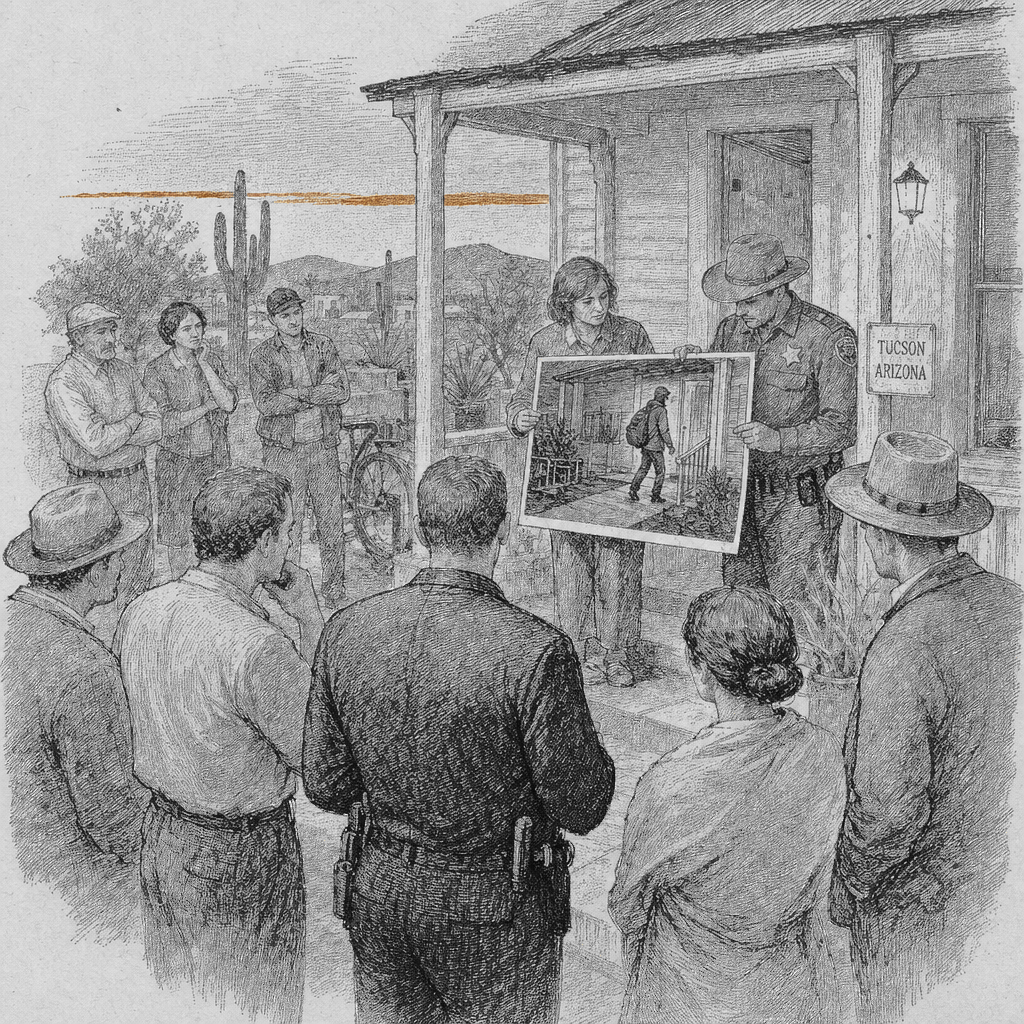
Investigators reviewing publicly released video from Nancy Guthrie’s porch in Arizona are focusing on small visual details that may help identify a masked suspect, build a physical and behavioral profile, and narrow incoming tips. The footage, which totals less than a minute, shows glimpses of the man before Guthrie was believed to have been abducted and authorities began examining the images for leads.
Former FBI profiler Clint Van Zandt said the video holds enough information to matter for investigators. “There’s a tremendous amount of information that this guy left,” Van Zandt said. Investigators have also said they analyzed the videos from Guthrie’s doorbell camera and posted information in hopes of narrowing tips flooding the FBI.
One of the specific items highlighted by the FBI is a backpack seen during the encounter. The bureau described the suspect’s backpack as a black, 25-liter “Ozark Trail Hiker Pack,” a detail former officials said could help investigators identify the kind of buyer who might have recently purchased similar gear. Van Zandt said investigators may be able to work from a shopping pattern if they can match multiple items from the video to specific retail sources in the Tucson area, starting with stores closest to Guthrie’s home.
Ed Davis, a former Boston police commissioner who led efforts including the manhunt after the 2013 Boston Marathon bombings, said the value of the footage may come from what investigators can extract through enhancement. “Every single thing that is in the video is being digitally enhanced. Everything from the mask to backpack to the jacket,” Davis said. He said modern technology can break down images to the pixel—potentially revealing stitching details and sometimes manufacturer or brand indicators that are not visible in the first viewing.
Davis also said the holster setup in the video stands out. The FBI has said the man on Guthrie’s porch was armed, but Davis said the video shows an unusual holster hanging over the middle of the suspect’s waist rather than on the side. “I’ve never seen anything like that,” Davis said, adding that it might suggest the person had little experience with firearms.
Gloves shown in close-up also drew attention. Davis said the black gloves appear thicker than most and shimmered in the light, and he said he has spent significant time in hardware retailers and has not encountered similar gloves there. “I spend a lot of time in Home Depot, and I’ve never seen those gloves,” Davis said. “They’re not very common.” In another part of the footage, the suspect appears to cover Guthrie’s doorbell camera first with a gloved hand and then with part of a plant ripped from the yard.
Investigators said the suspect’s other clothing elements—including a zip-up jacket, pants, shoes, and a mask—may not look distinctive at first glance, but identifying one or more items could still open investigative paths. Davis and Van Zandt said that once an item is identified, investigators can look for where it is sold, combing through receipts and retail or local surveillance video to find people who bought matching gear.
The videos also show what appear to be the suspect’s actions and how he carries himself, details that can be relevant to profiling. In one of the videos, the suspect appears to be holding a small flashlight in his mouth while standing in front of Guthrie’s door, and Lyons said figuring out the flashlight type might be difficult but could still matter. Not many people hold a flashlight that way, Lyons said, but those in trades such as electrical or plumbing work might, and he said it could be a “small thing” that still becomes useful later.
Lyons said every step and movement is worth close scrutiny, including how the suspect walked and how he grabbed the plant from the yard. He said such observations are likely to be used by behavioral analysts to build a profile, warning that the combined details are what tend to matter most. “That’s what this will come down to,” Lyons said. “Those small aspects added all together.”