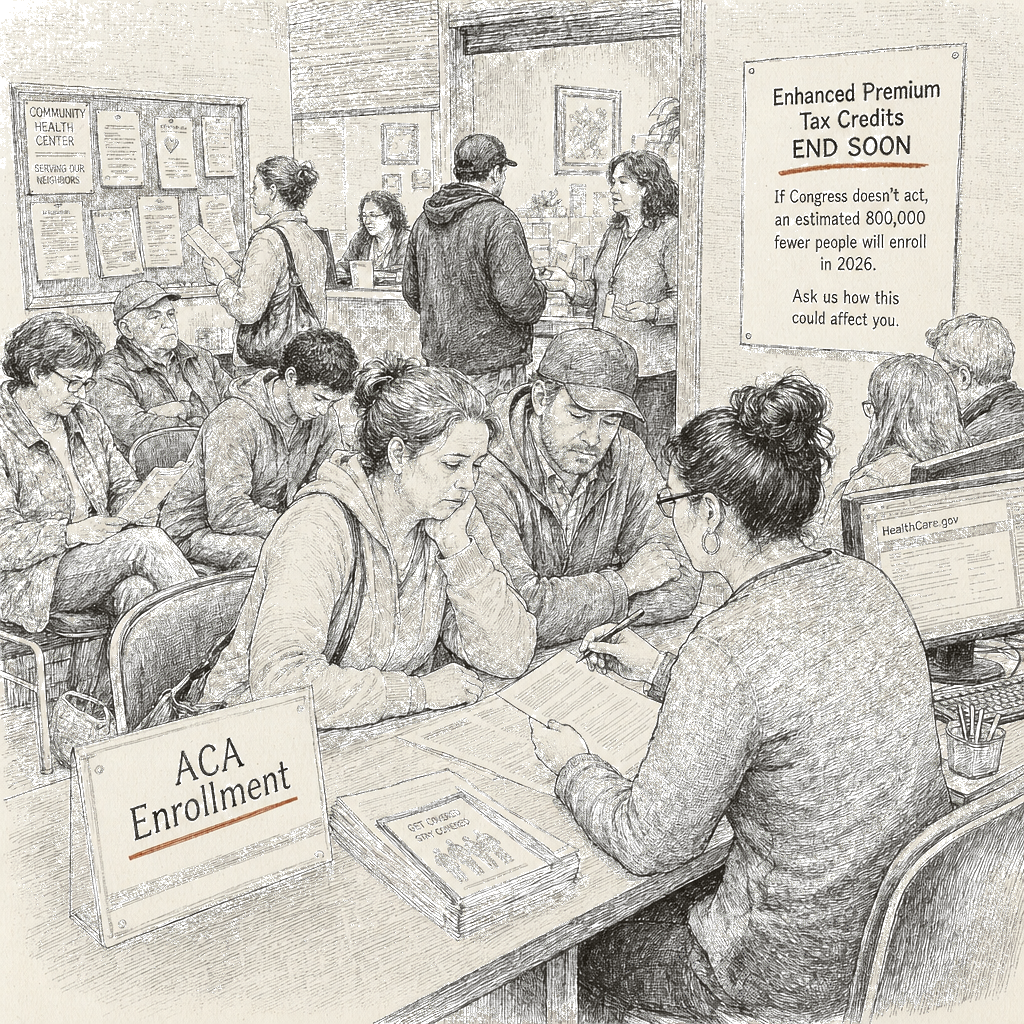
Costs set to spike
Without the enhanced credits, annual premium costs will more than double for the average ACA enrollee who had them, according to the health care research nonprofit KFF. In most states, the window for purchasing plans remains open through Jan. 15 for coverage beginning in February.
Experts warned that the enrollment count could still fall further, as some enrollees will receive their first premium bill in January and choose to cancel.
Robert Kaestner, a health economist at the University of Chicago, said he expects approximately 2 million more Americans to go without health insurance, at least temporarily, as a result of the subsidy expiration.
“My prediction is 2 million more people will lack health insurance for a while,” Kaestner said. “That’s a serious issue, but Republicans would argue we’re using government money more efficiently, we’re targeting people who really need it and we’re saving $35 billion a year.”
Some of those who drop ACA plans may have other options, Kaestner said — such as joining a partner’s employer health plan or adjusting income to qualify for Medicaid. Others will go without coverage while searching for alternatives.
Congress debates the subsidies
The declining enrollment arrives as Congress has been locked in a partisan debate over the expired credits. Democrats have pushed for a straight extension of the enhanced tax credits. Republicans have argued that broader reforms are a better path to controlling costs and reducing fraud.
Last week, the House passed legislation to extend the enhanced subsidies for three years. The measure now sits in the Senate, where pressure is building for a bipartisan compromise.
The nonpartisan Congressional Budget Office estimated that extending the subsidies for three years would add about $80.6 billion to the national deficit over the decade.
Enrollees drop coverage
Several Americans told the Associated Press they are dropping their ACA plans for 2026 and will pay for medical appointments out of pocket, hoping to avoid a costly diagnosis or injury.
Felicia Persaud, a 52-year-old entrepreneur in Florida, said she dropped her coverage after seeing her monthly premium was set to rise by about $200.
“I’m pretty much going to be going without health insurance unless they do something,” Persaud said. “It’s sort of like playing poker and hoping the chips fall and try the best that you can.”
Enrollment history
The ACA marketplace enrolled about 12 million people for the 2021 plan year, before the enhanced tax credits took effect the following year. Enrollment climbed steadily after the credits were introduced, more than doubling to over 24 million by last year.
This year’s figure of roughly 22.8 million — covering sign-ups through Jan. 3 in states that use Healthcare.gov and through Dec. 27 in states that operate their own exchanges — marks the first decline at this stage of the enrollment window since enhanced subsidies were introduced. The CMS characterized the data as a snapshot of a continuously changing pool.