The decision marks a milestone in a 14-year negotiation between the tribe and the town of Franklin, and adds Noquisiyi to a cultural corridor the Eastern Band is assembling from Georgia to its reservation, the Qualla Boundary.
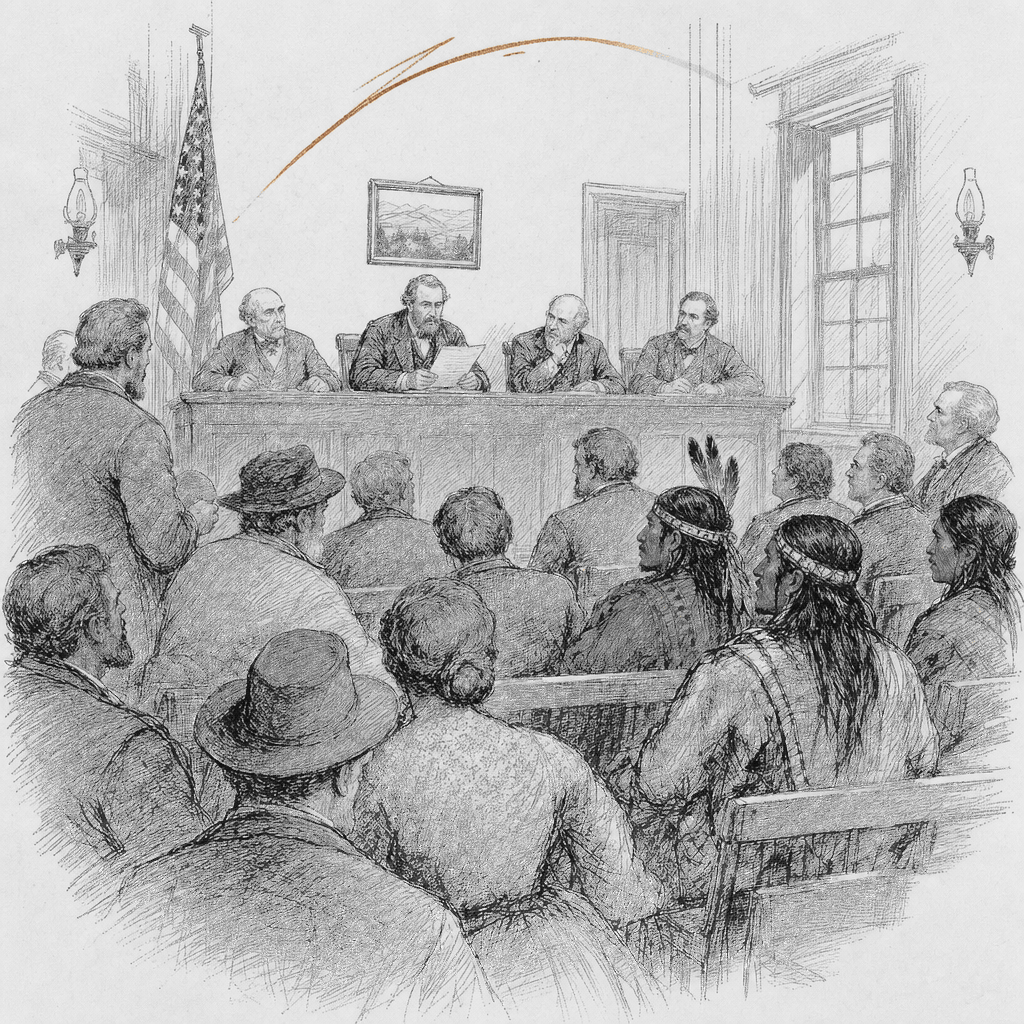
FRANKLIN, N.C. — The city council of Franklin, North Carolina, voted unanimously Monday to return the Noquisiyi Mound to the Eastern Band of Cherokee Indians, moving the largest unexcavated earthen mound in the Southeast closer to tribal control after roughly two centuries in outside hands.
Noquisiyi — whose name translates to “star place” — was the center of a Cherokee mother town centuries before the founding of the United States. It is a place of deep spiritual significance to the Cherokee people and, according to Elaine Eisenbraun, executive director of the Noquisiyi Initiative, the largest unexcavated mound in the Southeast. The vote sets in motion a legal process: the tribal council must first agree to accept the transfer before title to the property officially changes hands.
“When you think about the importance of not just our history but those cultural and traditional areas where we practice all the things we believe in, they should be in the hands of the tribe they belong to,” said Michell Hicks, principal chief of the Eastern Band of Cherokee Indians. “It’s a decision that we’re very thankful to the town of Franklin for understanding.”
A century of municipal ownership
In the 1940s, the town of Franklin raised money to purchase the mound from a private owner. The tribe began conversations with Franklin about a possible transfer in 2012, after a town employee sprayed herbicide on the mound, killing all the grass, Hicks said.
Seven years later, in 2019, Franklin and the Eastern Band jointly created the Noquisiyi Initiative, a nonprofit to oversee the site, which today sits between two roads and several buildings.
Angelina Jumper, a citizen of the tribe and a Noquisiyi Initiative board member who spoke at Monday’s council meeting, said the return carries weight that is difficult to put into words.
“It’s a big deal for Cherokees to get our piece of our ancestral territory back in general,” Jumper said. “But when you talk about a mound site like that, that has so much significance and is still standing as high as it was two or three hundred years ago when it was taken, that kind of just holds a level of gravity that I just have no words for.”
Cultural corridor taking shape
Franklin’s mayor, Stacey Guffey, invoked the global Land Back movement — which advocates for the return of Indigenous homelands through ownership or co-stewardship — in explaining the council’s decision.
“Talking about Land Back, it’s part of a living people. It’s not like it’s a historical artifact,” Guffey said. “It’s part of a living culture, and if we can’t honor that then we lose the character of who we are as mountain people.”
Noquisiyi is part of a series of earthen mounds that formed the heart of Cherokee civilization. The Eastern Band also owns the Cowee Mound a few miles away and is assembling a cultural corridor of important sites stretching from Georgia to the tribe’s reservation, the Qualla Boundary.
Jordan Oocumma, the mound’s groundskeeper, said he is the first enrolled member of the tribe to serve as caretaker since the forced removal of Cherokee people from their ancestral lands.
“It’s also a place where when you need answers, or you want to know something, you can go there and you ask, and it’ll come to you,” Oocumma said. “It feels different from being anywhere else in the world when you’re out there.”
The mound will remain publicly accessible after the transfer is complete. The tribe plans to open an interpretive center in a building it owns adjacent to the site.