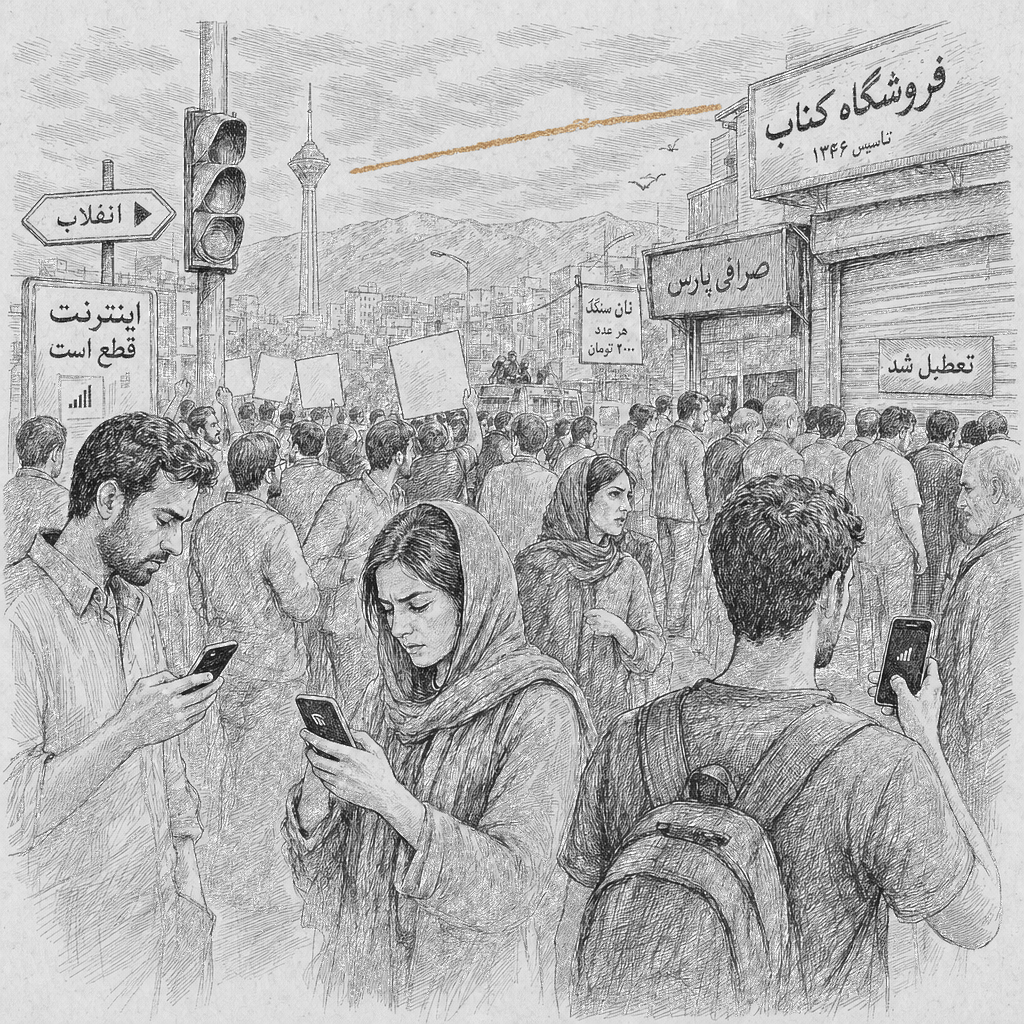
Nationwide protests have shaken Iran as economic pressure has worsened, and authorities have responded by cracking down and shutting down internet access, an Associated Press explainer said in a Jan. 4 report.
The AP said the unrest is arriving at a moment when the region and Iran’s leadership face overlapping pressures, including heightened Western concern about Iran’s nuclear program and fallout from fighting involving Iran-backed allies. In the background, the report tied the economic strain to sanctions reimposed over Iran’s atomic program and to steep currency weakness.
Information about the protests has been difficult to verify, the AP said. More than 600 protests have taken place across Iran’s 31 provinces, according to data compiled by the U.S.-based Human Rights Activists News Agency. The group said the death toll has reached at least 2,615 and that there have been 18,470 arrests.
Iran’s government has not provided overall casualty figures for the demonstrations, and the AP said it could not independently assess the toll because the internet is blocked in Iran. The report said Iranians could dial abroad with their mobile phones after restrictions were lifted on Tuesday, but that the broader shutdown has complicated efforts to document events. The AP also said Iranian state media has provided little information about the demonstrations, while online videos have offered only brief, shaky glimpses of people in the streets or the sound of gunfire.
The AP said journalists in Iran face additional constraints, including requirements for permission to travel around the country and the threat of harassment or arrest by authorities. It said the internet shutdown has further complicated reporting.
Protests appear to have continued even after Iran’s Supreme Leader Ayatollah Ali Khamenei warned that “rioters must be put in their place.” The AP reported that the demonstrations were not stopping despite the warning.
The AP said the unrest was sparked by economic conditions, including the collapse of the rial and a widening economic crisis. It said prices are up on meat, rice and other staples, and that Iran has been struggling with an annual inflation rate of some 40%. The report also linked the protests to policy changes that increased pressure on everyday costs, including a December decision to introduce a new pricing tier for nationally subsidized gasoline.
According to the AP, Tehran’s gasoline pricing changes mean prices would be reviewed every three months. The report said food prices were expected to spike after Iran’s Central Bank ended a preferential, subsidized dollar-rial exchange rate for all products except medicine and wheat.
The AP said the protests began in late December with merchants in Tehran and then spread. While demonstrations initially focused on economic issues, the AP said protesters soon began chanting anti-government statements, with anger simmering in part since the 2022 death of 22-year-old Mahsa Amini in police custody, which triggered nationwide demonstrations. The AP also reported that some protesters chanted in support of Iran’s exiled Crown Prince Reza Pahlavi, who has called for protests.
Beyond Iran’s internal situation, the AP said Iran’s “Axis of Resistance” has been weakened since the start of the Israel-Hamas war in 2023. The report described setbacks faced by multiple Iran-backed partners and said China has continued to buy Iranian crude oil without providing overt military support, while Russia has relied on Iranian drones in its war on Ukraine.
The AP also outlined Western concerns about Iran’s nuclear program. It said Iran has insisted its nuclear program is peaceful but that U.S. intelligence agencies have assessed that Iran has yet to begin a weapons program, while it has “undertaken activities that better position it to produce a nuclear device, if it chooses to do so.” The AP said Iran has recently stated it was no longer enriching uranium at any site, but that there have been no significant talks in the months since the June war.
The report also said the U.S. has warned that it could intervene if Iran uses deadly force against protesters. It quoted Trump saying, “We’re watching it very closely,” and “If they start killing people like they have in the past, I think they’re going to get hit very hard by the United States.” It added that Trump warned that if Tehran “violently kills peaceful protesters” the U.S. “will come to their rescue,” saying the threat has taken on new meaning after American troops captured Venezuela’s Nicolás Maduro, a longtime ally of Tehran.