-
-
Summary
-
- Subtype: fact
-
- Article describes significant development with named actors and concrete outcomes.
- Smartphone users looking to s…
-
What’s already on your phone
- Both iPhones and Android devices include a Focus mode that can silence notifications and block specific apps on demand, Chan reported. Related scre…
What’s already on your phone
Both iPhones and Android devices include a Focus mode that can silence notifications and block specific apps on demand, Chan reported. Related screen-time controls let users set daily caps on individual apps — limiting Instagram to 20 minutes a day, for example. Adjusting color settings to display the screen in grayscale can also reduce its visual appeal, making the phone easier to put down.
For users who need a harder stop, Chan suggested deleting the apps they spend the most time scrolling. The apps can be reinstalled if needed, he noted, but their absence removes the immediate prompt to open them.
Going outside
Time outdoors — away from Wi-Fi signals — can benefit mental health and physical well-being, Chan said. He pointed to “forest bathing,” a term practitioners use for deliberate time spent in natural settings, and recommended walks in parks or wooded areas. In snowy conditions, he noted that bulky mittens prevent touch-screen use by default.
An app that makes you touch grass
A third-party app called Touch Grass takes a behavioral approach: it locks access to selected applications until the user goes outside and photographs themselves touching grass, snow, or sand. The free tier allows users to block two apps. A paid subscription costs $6 a month or $50 annually. As of the article’s publication, Touch Grass was available only for iPhones, Chan said, though copycat versions for both iOS and Android exist.
Writing by hand and reading books
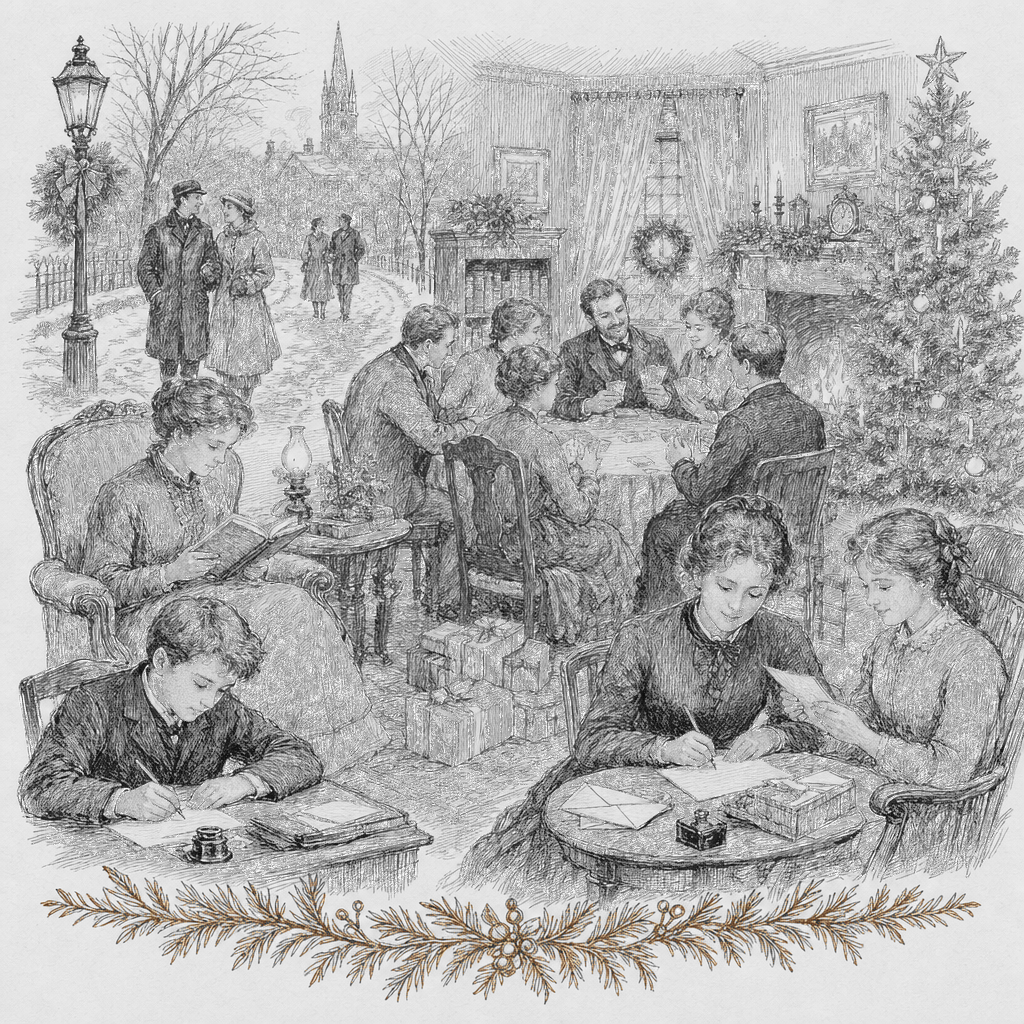
Research suggests handwriting carries neurological and cognitive benefits, and taking notes by hand is a more effective learning and retention method for students than typing, according to the AP guide. Chan recommended writing physical holiday cards, letters, or thank-you notes as an alternative to digital messages.
Reading long-form books can also develop deeper understanding, empathy, and concentration in ways that short-form mobile content does not, he said.
Locking the device away
Time-lock containers — plastic vaults with a digital countdown — can hold a smartphone out of reach for periods ranging from minutes to 30 days. Chan purchased a battery-powered model for about $30. He identified a practical complication: authentication requests for credit cards and accounts that route to the locked phone can disrupt activities requiring two-factor verification.
Feature phones and minimalist devices
For a more lasting change, Chan suggested considering a feature phone — sometimes called a brick phone — as an alternative to a smartphone. Nokia devices offer numeric keypads, no touch screen, and games including Snake, and can make voice calls and send text messages. Companies including Light, Punkt, and Balance produce so-called digital minimalist phones that keep a modern design while stripping away most smartphone functions.